
British supermarkets in Hong Kong
Why British grocery brands fit Hong Kong demand
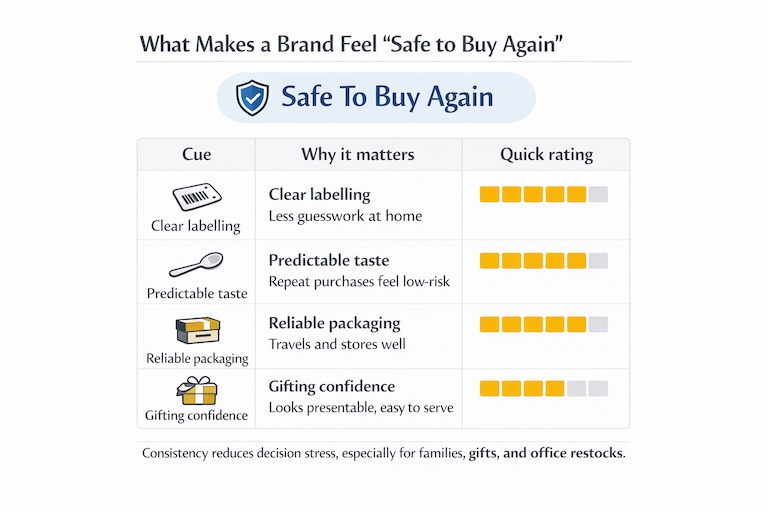
British grocery brands fit Hong Kong demand because they solve a few everyday shopping needs at the same time: trust, convenience, and “easy to choose” quality. Many shoppers want food that feels consistent and safe, with clear labelling, predictable taste, and reliable packaging. British brands lean into that. You can pick up the same tea, biscuits, cereal, jam, or ready meal and get what you expect every time, which matters when you are buying for family, gifting, or stocking an office pantry.
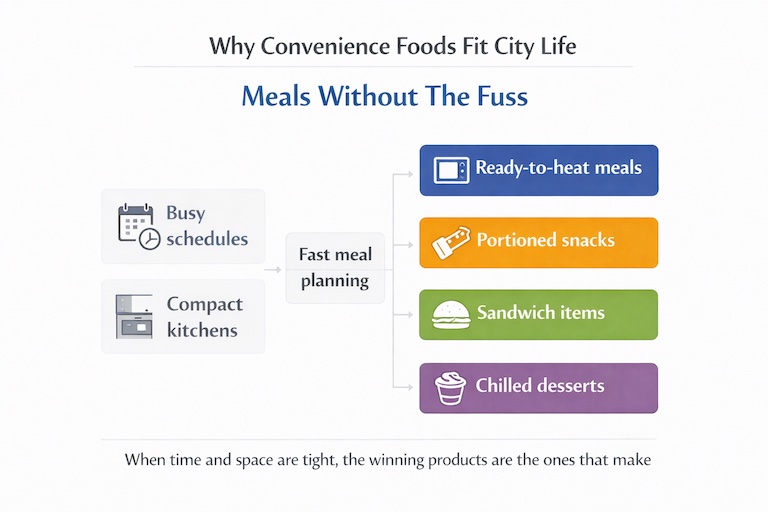
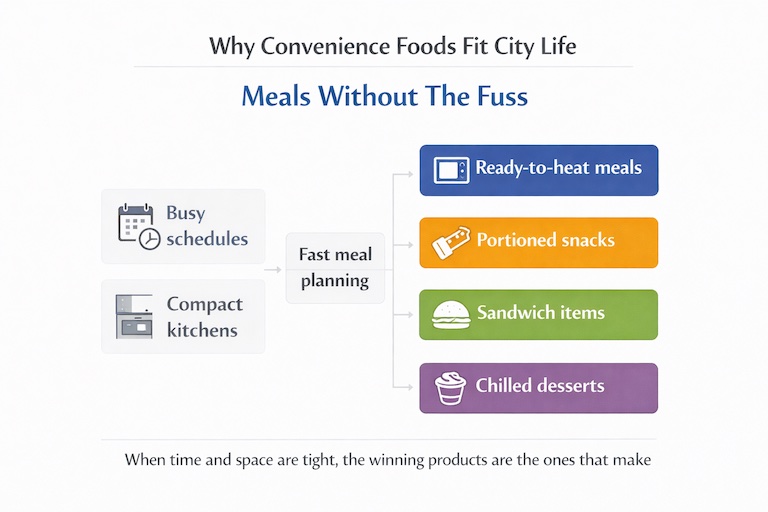
They also match how many people in Hong Kong actually eat. Homes are busy, kitchens are often compact, and meal planning has to be fast. British ranges are strong in ready-to-eat and ready-to-heat foods, portioned snacks, sandwich items, chilled desserts, and “one trip solves it” staples. The products travel well, store well, and make it simple to build a meal without spending an hour preparing ingredients. On top of that, British brands carry strong seasonal and celebration lines, which suits Hong Kong’s gift culture and holiday shopping habits, especially when shoppers want something that looks premium but is still familiar and easy to serve.
The main player with physical stores: M&S Food
In Hong Kong, the British grocery name with a real store network is Marks & Spencer. It is not just a shelf in someone else’s shop. You can walk into dedicated food locations in busy malls and transit spots, then grab dinner, snacks, and gifts in one stop. The Hong Kong and Macau estate is run under a franchise model by Al-Futtaim, which has referenced 27 stores across the two markets.
What makes M&S Food work
What makes M&S Food work strongest where Hong Kong shopping habits already lean: ready-to-eat, ready-to-heat, portioned treats, and “nice but easy” hosting food. Think chilled meals, bakery items, picnic-style snacks, biscuits and sweets, teas, spreads, cheeses, and seasonal gift lines that look premium without being risky to serve. Locations also matter. The store locator shows food sites in places like MTR Hong Kong Station and iSQUARE, which fits the grab-and-go rhythm of the city.
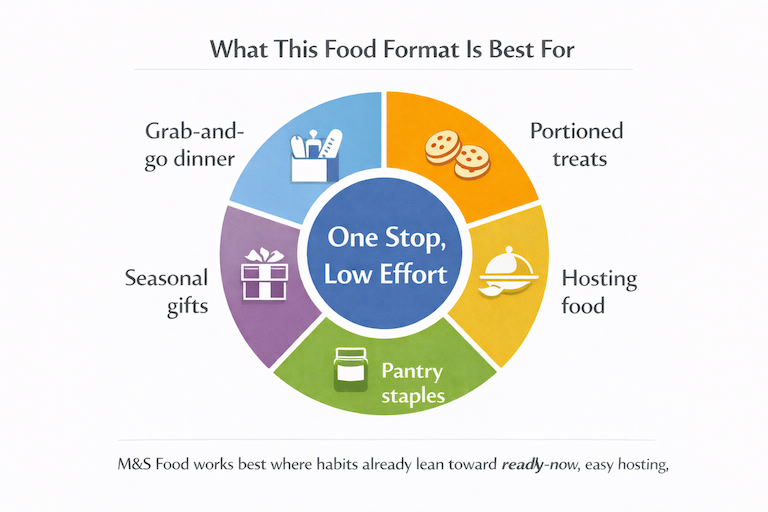
If you are explaining what M&S Food is best for in Hong Kong, these angles are practical and easy for readers to relate to:
- Fast weeknight meals when you do not want heavy cooking, but still want something consistent.
- Office snacks and pantry restocks that feel “safe to buy again” because taste stays predictable.
- Small gatherings where you want food that plates well and needs minimal prep.
- Seasonal shopping (especially giftable tins, chocolates, and holiday items) when presentation matters.
It also competes well on access. M&S runs online food ordering in Hong Kong and promotes next-day delivery, plus Click & Collect options, which suits shoppers who want to browse at night and receive groceries without carrying bags home.
British supermarket brands you can buy via Hong Kong chains
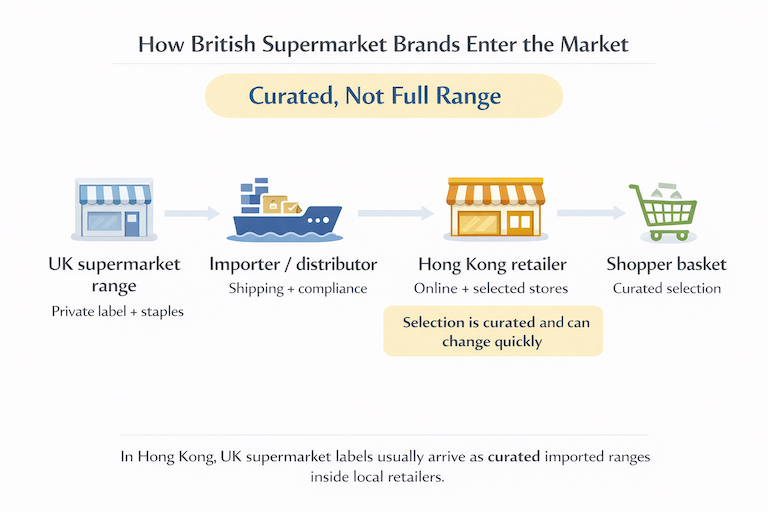
In Hong Kong, “British supermarket brands” usually show up as imported ranges inside local chains, not as standalone UK-owned supermarkets. That matters because the offer looks different. You get the familiar labels and private-label staples, but the range is curated, and it changes faster than it would in the UK.
The clearest example is PARKnSHOP. Its online shop lists a large Waitrose range (including a “Direct from the UK” grouping), which is exactly how British supermarket brands tend to enter Hong Kong: through distribution and selected lines rather than full-format stores. Iceland products also appear via PARKnSHOP’s online shop, but as a small, sometimes out-of-stock selection, which shows the reality of imported supermarket-brand supply.
You also see British supermarket branding tied to local operators. U Select was known for carrying Tesco-branded goods, but availability is not a sure thing when the local chain is shrinking or closing branches. In October 2024, Channel News Asia reported U Select was winding down operations, with store-closure notices and a sharp drop in listed locations.
If you want to make this section useful to readers, frame it as “where to buy” and “what to expect”:
- Where to buy: Waitrose and Iceland ranges through PARKnSHOP online (and selected stores).
- What you will actually find: long-life groceries, tea, biscuits, sauces, spreads, pantry items, plus some frozen lines.
- What to check before checkout: best-before dates, substitutions on online orders, and cold-chain handling for chilled or frozen items. The label is British, but the logistics are local.
What shoppers pay extra for?
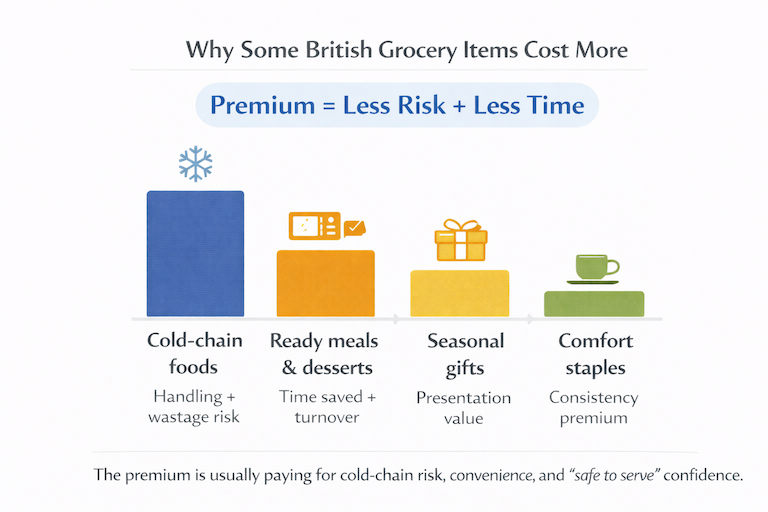
Shoppers pay extra for British supermarket brands in Hong Kong when the product saves time, feels “safe to serve,” or works as a small gift. Ready meals, chilled desserts, cheese, and bakery-style items often carry the biggest premium because they need cold-chain handling and faster turnover, so the local retailer is pricing in wastage risk as well as transport. You also see higher prices on branded staples people buy for comfort and consistency, like tea, biscuits, cereal, sauces, and spreads, because shoppers are paying for the taste they remember and the confidence that it will be the same every time.
Seasonal tins, chocolates, and holiday lines can be pricey too, but many people accept it because the packaging looks presentable, it is easy to share at work or at home, and it avoids the guesswork of picking something unfamiliar.
How British ranges compete with premium grocers and local chains
British ranges compete in Hong Kong by winning on trust cues and “quick decision” shopping, not by trying to beat local chains on everyday price. When shoppers walk into a premium grocer, they often want imported cheese, snacks, desserts, and giftable items with clear labels and familiar taste. British private-label ranges fit that need because they feel consistent and safe to serve, especially for office sharing or hosting. Many buyers are also repeat purchasers, which makes the basket less price-sensitive than fresh produce or household staples.
Against local chains, the play is convenience and “ready now” food. Local supermarkets are strong on fresh, local value packs, and broad household coverage. British ranges compete by being the easy add-on: a ready meal for a late night, biscuits and tea for the pantry, chilled desserts for guests, or seasonal tins that work as a simple gift. Retailers also help these ranges stand out by grouping them as “direct from the UK,” running short promos, and keeping the selection tight so shoppers are not forced to compare ten similar items.
The limitation is range depth and availability. Imported lines can change based on shipping, demand, and shelf space, so shoppers might not always find the exact item they bought last month. That is why British ranges do best when they sit in categories where substitutions are acceptable (snacks, spreads, pantry items) and when the packaging makes the choice feel low-risk. Premium grocers win on breadth and specialty, local chains win on daily value and fresh, and British ranges win when the shopper wants familiar comfort with minimal thinking.
What to check before you buy
Before you buy British grocery items in Hong Kong, do a quick risk check so you do not pay a premium for something that will disappoint at home. Start with the expiry or best-before date, especially on chilled foods and seasonal imports that may have sat longer in transit. For frozen and chilled items, look for signs the cold chain may have been broken, like ice crystals, soft corners on frozen packs, leaking seals, or swollen lids on chilled soups and sauces.
Storage matters too. Pantry goods are usually low risk, but heat and humidity can still ruin texture and taste. Check that chocolate is not chalky, biscuits are not crushed or loose in the pack, and cartons are not damp or stained. If you are ordering online, read the substitution note before checkout. British ranges are often curated, so a “similar item” swap can change the brand or the recipe you wanted.
Use this checklist in-store or online:
- Confirm the date is worth the price, not just “still valid.”
- Inspect packaging for dents, broken seals, swelling, or leaks.
- Choose chilled and frozen last, then go straight home.
- Store correctly right away: fridge, freezer, or cool cupboard.
- For online orders, turn off substitutions for “must-have” items.
- Search the brand name plus “recall” before buying unfamiliar baby, dairy, or ready-meal items, and keep the receipt in case a notice appears later.