
Best Supermarkets in Hong Kong & Grocery Stores Guide
Major Supermarkets and Grocery stores in Hong Kong
Supermarket shopping in Hong Kong is less of a weekly errand and more of a daily habit. Flats are small, storage is limited, and most people live within a five-minute walk of at least two competing chains. That proximity shapes everything which store you default to, what you buy, and how often you go back. The big chains have worked hard to earn that loyalty, and they do it in different ways: some on price, some on range, some simply by being there when you need them..
Wellcome
Wellcome has been around long enough that most Hongkongers don't really think of it as a choice it's just there, at the end of the street or tucked into the ground floor of the estate. That ubiquity is its biggest selling point. You're not going to Wellcome for an experience; you're going because you need cooking oil and eggs and you'd rather not make a trip out of it. The PriceLock program keeps staple prices stable week to week, which matters more than it sounds when you're shopping two or three times a week rather than once.
PARKnSHOP
PARKnSHOP and Wellcome have been circling each other for decades, and the honest answer is that most shoppers use both depending on which one is closer. Where PARKnSHOP pulls ahead is on promotions it runs aggressive multi-buy deals and its Superstore format has enough floor space to actually stock variety. The in-house Best Buy label covers most of the basics at a lower price point than name brands, which is useful if you're not attached to a particular brand of fish sauce or dishwasher tablets.
AEON
Walking into AEON after a Wellcome or PARKnSHOP is a noticeably different experience wider aisles, better lighting, and a layout that feels like it was designed by someone who'd visited other countries. The Japanese bias runs through everything, from the fresh produce section (neatly packaged, well-labelled) to the snack aisle (extensive). It's not the cheapest option, but if you cook Japanese food at home or just want ready meals that taste like they were made by a person, it earns its place.
YATA
YATA has a small number of stores and doesn't seem particularly bothered about changing that. Its customers know where to find it and make the trip deliberately for the Japanese produce, the curated imports, the occasional themed fair that stocks things you can't get anywhere else in Hong Kong. It's the kind of place you visit when you want something specific rather than something convenient, and it rarely disappoints on that front.
Market Place by Jasons
Market Place exists for a very particular shopper: the professional in Central or Mid-Levels who wants decent imported cheese, a bottle of wine, and something quick for dinner, all in one small store on the way home. It doesn't try to be a full supermarket and it doesn't need to. The range is tight but well-chosen, the English labelling is consistent, and the locations are rarely more than a short walk from somewhere you already are.
Comparing Prices: Which Hong Kong Supermarkets and Grocery Stores Offer the Best Value?
The price gap between supermarkets in Hong Kong is real, but it's not always where you'd expect it. A basket that costs you HK$200 at Wellcome might run HK$230 at AEON and HK$260 at Market Place not because the products are different, but because of where each store pitches itself. Understanding that logic makes it easier to shop across chains rather than staying loyal to one out of habit.
Where to Find Fresh Produce in Hong Kong Supermarkets
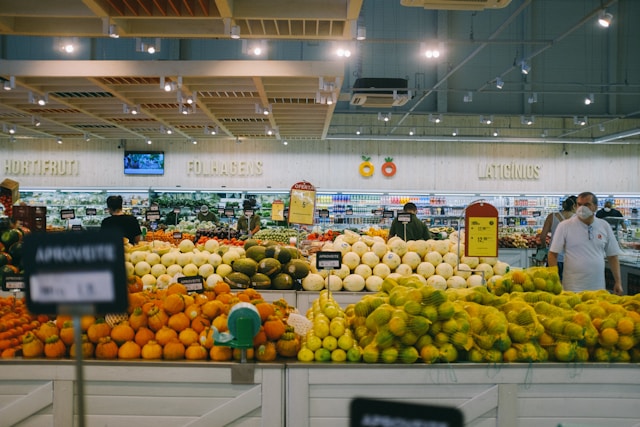
Supermarket produce in Hong Kong divides opinion. Locals who grew up shopping at wet markets often find it underwhelming smaller range, higher prices, and the vegetables don't always look like they were picked this week. But for people who'd rather not carry home a bag of loose choy sum on the MTR, supermarkets are the practical option. The trick is knowing which ones are worth your time.
PARKnSHOP and Wellcome: Volume and Turnover
The advantage of busy stores is that stock moves fast, which generally means fresher shelves. PARKnSHOP Superstores tend to have the strongest produce sections among mainstream chains a decent range of locally grown greens, reliable staples like apples, tomatoes, and bananas, and prices that don't require a second look. Wellcome is similar, though quality varies more between branches. The larger locations are fine; the smaller ones can be hit or miss. Either way, if you're going in the morning, the leafy vegetables are usually fresh. By evening, you're taking your chances.
AEON and YATA: When Presentation Matters
AEON's produce section looks different from most Hong Kong supermarkets individually packaged, neatly labelled, stored at the right temperature. It costs more, but the mushrooms are actually good and the Japanese vegetables hold up better than their cheaper equivalents elsewhere. YATA takes it further, with premium Japanese fruit and occasional regional fresh fairs that are worth visiting if you care about where things come from. City'super is in a similar bracket imported berries, avocados, and stone fruit in genuinely good condition, but priced accordingly.
Organic Options
PARKnSHOP is the most accessible starting point. Their Nature's Village sub-brand covers fruits, vegetables, dairy, and pantry staples, and it's available in larger branches and online. Wellcome carries organic basics too, though the range is smaller and varies by location. Market Place and City'super skew more premium USDA, EU, and JAS certified products with clear sourcing information, mostly imported. City'super in particular is good at labelling, which matters when you're paying a premium and want to know what you're actually buying.
When to Go
Most stores restock in the early morning. Before noon is consistently better for leafy greens and soft fruit. If you're flexible on appearance and don't mind a slightly tired-looking courgette, check the markdown section in the early evening supermarkets discount produce approaching its best-before date, and it's usually fine to eat that day.
Imported vs. Local Goods: What's on the Shelves
Hong Kong supermarkets stock both, and the split is obvious once you start paying attention. Local goods tend to occupy the everyday aisles vegetables, tofu, eggs, bread while imports take over anywhere premium shelf space exists.
Choy sum, pak choi, water spinach, and most standard leafy vegetables come from the New Territories or just across the border in Guangdong. Fresh tofu and soy milk are produced locally and restocked frequently. Sandwich bread and buns from brands like Garden or A1 are baked in Hong Kong and sold everywhere. These are the cheaper, fresher options, and for most daily cooking they're perfectly good.
Imports dominate the fruit aisle for anything that doesn't grow here avocados, blueberries, cherries, and stone fruit from Australia, the US, or New Zealand. Dairy is almost entirely imported, mostly from Australia and Europe. The snack and condiment aisles at AEON and Taste are heavily stocked with Japanese, Korean, and British products that have their own loyal followings.
The practical thing to know is that imported stock often arrives mid-week. If a product you rely on isn't on the shelf, try again on a Tuesday or Friday rather than assuming it's discontinued.
Best Supermarkets for International Products
AEON
If you cook Japanese food at home, AEON is the obvious first stop. Curry packs, udon, donburi toppings, Japanese condiments, seasonal produce from specific regions the range is serious and rotates regularly. The household products aisle is also worth a look if you want Japanese kitchen wraps or cleaning products that aren't available elsewhere.
City'super
City'super is where you go when you need something European and specific. Italian olive oil from a producer you've actually heard of, French condiments, artisan bread, a cheese counter that requires some thought before committing. It runs themed events a few times a year Cheese Fair, Organic Week that are genuinely worth checking out. Staff know their products, which is rarer than it should be.
YATA
YATA's international range focuses on Asia rather than Europe Japanese teas, Korean sauces, Taiwanese snacks, trending beverages. It's not as exhaustive as City'super on Western goods, but it's well-curated and the prices are more reasonable for everyday Asian imports.
Market Place
Market Place covers the basics for expats who want familiar brands without a special trip. Barilla, Heinz, Australian milk, Kellogg's, wines and chocolates for entertaining. It's not adventurous, but it's consistent and the locations are convenient.
Taste and Fusion
Taste is PARKnSHOP's premium format European cured meats, international wines, global condiments at slightly more accessible prices than City'super. Fusion, found in residential areas, mixes local goods with recognisable international brands and is the most practical everyday option for expats who want a bit of both.
Loyalty Programs: Are They Worth It?
The short answer is yes, but only if you actually use them. Signing up and forgetting about it nets you nothing.
YUU (Wellcome, Market Place)
yuu works best if you already use other brands in the network 7-Eleven, Mannings, and a handful of others. Points accumulate across all of them, which means your grocery spend works harder than it would at a single-chain program. The app updates weekly with digital coupons that can be applied at checkout without any fuss. The main catch is that points expire if you're inactive, so occasional shoppers may lose what they've built up.
MoneyBack (PARKnSHOP, Fusion, Taste)
MoneyBack's strength is its cross-brand reach points earned at PARKnSHOP can be spent at Watsons or Fortress, which makes it genuinely useful beyond just groceries. The app tracks everything clearly, and member-only prices on rotating categories show up regularly enough to notice. If you're already shopping at PARKnSHOP and Watsons regularly, joining takes five minutes and pays back within a month.
AEON
AEON's program is tied to a credit card, which puts off people who don't want another card. If you're already an AEON cardholder, the monthly rebate and exclusive member days are worth tracking. If not, it's a higher barrier to entry than the others.
YATA-Fans
YATA's rewards skew toward experience over cash back themed sales, gift redemptions, seasonal event previews. It suits the kind of shopper who visits YATA deliberately and enjoys the curation. If you're going anyway, joining costs nothing and the seasonal perks occasionally land something genuinely worthwhile.
Grocery Delivery
PARKnSHOP
The most fully developed delivery service among the mainstream chains. Free delivery on orders over HK$500, same-day options in select districts if you're organised enough to order in the morning, and a proper time-slot system that actually works. The online store mirrors the physical one reasonably well, including fresh items.
Wellcome (YUU to me)
yuu to me uses a rider network and delivers within two hours in covered areas, which makes it useful for top-up orders rather than a full weekly shop. Orders over HK$300 come free; anything under incurs a small charge. Points integrate with your yuu account at checkout. It's not designed for big hauls the app experience reflects that but for a handful of items you forgot, it's quicker than going out.
AEON
Less convenient digitally than the others. Orders are typically placed in-store and scheduled for the following day, which requires planning ahead. Delivery is limited to certain areas and charges vary. It makes most sense for large orders during promotional fairs when you're buying more than you can carry.
Market Place via HKTVmall
Useful for expats who want imported goods delivered without a trip. The HKTVmall platform handles cold chain properly for meat and dairy. Slots fill fast on weekends and around public holidays, so don't leave it until Friday afternoon.
YATA
Free delivery over HK$500, next-day on orders placed before noon, and locker pickup at select locations. The online range is narrower than the store, but essentials and YATA-branded goods are consistently available.
24-Hour Supermarkets
Late-night supermarket shopping in Hong Kong is less straightforward than it used to be. A few years ago more chains ran overnight, but options have narrowed.
Wellcome is the reliable answer. Select branches in Mong Kok, Causeway Bay, and Kwun Tong stay open around the clock, stocking the full range of packaged goods, produce, and household items. Fresh meat counters and deli sections close at night, but self-checkout stays available. Check the store locator before assuming your nearest branch is 24-hour not all of them are.
PARKnSHOP's late-night coverage is spottier. Some Fusion and Taste locations in high-traffic areas run later than standard, but genuinely 24-hour options are few. Worth confirming online before making the trip, especially around public holidays.
If it's after midnight and you just need a few things, 7-Eleven and Circle K are everywhere and open all night. Prices are higher and the range is limited instant noodles, milk, bread, eggs, some frozen items but they're reliable in a pinch and most have Octopus readers if you've run out of cash.
Organic Food in Hong Kong Supermarkets
Organic options have expanded noticeably in Hong Kong over the past few years, though the range still depends heavily on which store you're in.
PARKnSHOP is the most consistent mainstream option. The Nature's Village sub-brand covers organic fruit, vegetables, dairy, and pantry staples across larger branches and online. Products are clearly labelled and grouped, which makes them easy to find. Wellcome carries organic basics too packaged vegetables, juices, grains but the selection is smaller and less predictable between locations.
AEON's organic range focuses on Japanese-certified products and some Western brands. Quality and packaging are reliable, but prices reflect it. YATA rotates organic items in and dresses them up well, though it's not a destination for a full organic shop more a place where you pick up a few specific things you trust.
Market Place and City'super are the serious options for shoppers with both the inclination and the budget. Market Place stocks organic baby food, cereals, and imported produce with clear certification. City'super goes furthest free-range eggs, kombucha, USDA and EU certified products with sourcing information that's actually useful. The signage is bilingual and staff can usually answer questions about specific items.
Supermarkets Near MTR Stations
Most regular shoppers in Hong Kong do their grocery shopping on the commute home rather than making a separate trip. The MTR network has shaped where supermarkets locate themselves, and the major chains have taken note.
Wellcome is the most reliably placed branches within two minutes of most major exits, including smaller Express formats stocking milk, bread, vegetables, and ready meals for quick grabs. PARKnSHOP and Fusion cover a similar footprint, with Fusion often tucked inside estate shopping arcades connected to residential MTR stops. Taste, PARKnSHOP's premium format, tends to appear in larger interchange stations and mall complexes like Kowloon Station and Tseung Kwan O.
Market Place targets the business district commuter Central, Quarry Bay, Tsim Sha Tsui for the kind of shopping you do on a lunch break or on the way to the lift lobby. AEON and YATA sit inside mall complexes directly linked to the MTR: AEON at Kornhill and Whampoa, YATA at Sha Tin and Tsuen Wan. These take more time than a quick Wellcome stop but the range justifies a slower evening trip home.
Online Shopping
PARKnSHOP and Wellcome have both invested seriously in their apps and it shows. Real-time stock levels, digital coupons, loyalty integration, time-slot delivery the functionality is there and mostly works as advertised. Both allow scheduled delivery or store pickup, which reduces the frustration of missed deliveries in buildings with strict door policies.
The weaker points are consistent across platforms: substitutions for out-of-stock items are unreliable, particularly for produce and bakery goods. Out-of-stock alerts don't always appear until after you've confirmed an order. Customer service is patchy some platforms have live chat, others make you email and wait. If you're particular about what you receive, select "no substitutes" at checkout and order early in the day when stock is fullest.
App-exclusive promotions are real and worth checking before you shop in-store. Both yuu and MoneyBack sync across online and offline purchases, and double-points periods or member-only online prices come up often enough to factor into your routine.
Promotions and Weekly Deals
PARKnSHOP refreshes its digital flyer on Fridays bundle deals, multi-buy discounts, and flash sales that sometimes run for a single day. Wellcome updates mid-week, rotating between fresh items and packaged goods. Both are worth a thirty-second check before your weekly shop.
Seasonal campaigns are where the real savings are. Lunar New Year, Mid-Autumn, and Christmas all bring bulk discounts on gift packs, imported goods, and pantry staples that rarely go on sale otherwise. AEON's Customer Appreciation Days mark down specific categories significantly. YATA Carnival can take up to 30% off themed imports if you've been putting off buying something from YATA because of the price, wait for the carnival.
The online versus in-store pricing question is worth checking for larger orders. Wellcome occasionally offers app-exclusive discounts not replicated in-store. PARKnSHOP sometimes runs pre-order specials on fresh meat and seafood through its website. Neither difference is dramatic, but on a big shop it adds up.
Supermarkets for Expats
The adjustment period for grocery shopping in Hong Kong is real but short. Once you know which stores carry what, it becomes routine.
City'super is the go-to for anyone who cooks predominantly Western food. The range of European imports is the best in the city cheese, charcuterie, specialist condiments, organic produce and the English signage and staff knowledge make it genuinely easy to navigate. It's expensive, but for specific ingredients it's often the only option.
Market Place fills the gap between City'super's prices and a full supermarket trip. Familiar brands Barilla, Kellogg's, Australian dairy, Lurpak in a small, well-located store that suits the rhythm of a working week. Mid-Levels, Central, Tsim Sha Tsui; wherever expats tend to live or work, there's usually one nearby.
Fusion and Taste are the practical everyday options. Better value than Market Place, wider range than a standard Wellcome, and the MoneyBack program rewards regular use. Taste in particular is worth knowing for wines and imported meats at prices that don't require a special occasion.
AEON suits expats who cook across cuisines or who've developed a taste for Japanese pantry staples. The layout is clear, the products are well-labelled, and the quality of fresh items is consistently higher than mainstream chains.
For things that none of the above carry, HKTVmall and Deliveroo Market are worth bookmarking. Delivery covers most districts and the range of imported goods specialist ingredients, international snacks, specific brands is broader than any single physical store.