
Best seafood suppliers in Hong Kong for restaurants and home
Hong Kong is one of the great seafood cities, a place where a Cantonese banquet is judged first on the freshness of its fish and where per-head seafood consumption is among the highest in the world. That appetite is served by a deep and varied supply chain, from dawn wholesale markets to wet-market stalls to slick online delivery, and the quality on offer ranges from superb to indifferent. Whether you run a restaurant or simply want to cook well at home, the supplier you choose determines what you actually get.
This guide is for both trade buyers and home cooks trying to source seafood well. Rather than ranking named suppliers, it explains where Hong Kong's seafood comes from, how to judge freshness for yourself, the truth about live, fresh and frozen, how to buy sustainably in a city with a heavy ocean footprint, and what restaurants and households each need from a supplier. Read it before your next order and you will buy with far more confidence.
Where Hong Kong gets its seafood
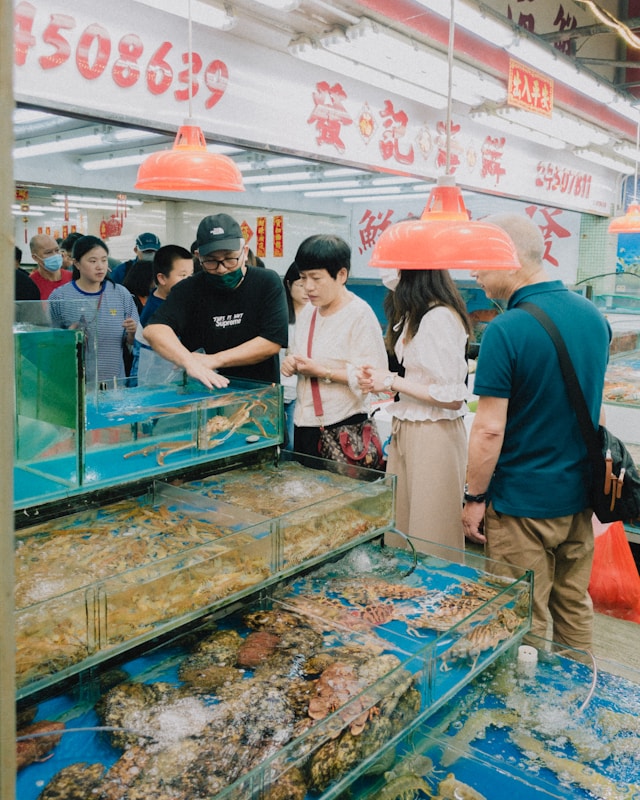
Understanding the supply chain helps you find the right entry point. At the top sit the wholesale markets, where much of the city's seafood passes through in the early hours and where restaurants and traders buy in volume. Below them are the wet markets scattered through every district, the traditional heart of home seafood shopping, where stalls sell fresh and live fish and a good fishmonger is a genuine asset. Alongside these are dedicated seafood suppliers and importers who serve the trade and increasingly sell to households, online delivery services that bring fresh and frozen seafood to your door, and the supermarkets, which are convenient but rarely the best for quality or price.
Each channel suits a different buyer. A restaurant needs a reliable trade supplier; a home cook may be best served by a trusted wet-market stall or a good delivery service. You can browse seafood supply options to see who serves your part of the market.
Restaurants and home cooks: different needs
The two audiences want different things from a supplier, so be clear which you are. A restaurant prizes consistency, reliability and the commercial basics: dependable daily delivery, steady quality, a broad and available range, sensible pricing at volume, and workable credit terms. A missed or poor delivery is a hole in the menu, so trust and consistency matter as much as peak quality.
A home cook, by contrast, is buying in small quantities for specific meals and can afford to be opportunistic, buying whatever looks best that day rather than committing to a supplier for range and reliability. For the household, freshness and the advice of a knowledgeable fishmonger matter most; for the restaurant, the whole operation behind the fish matters. Keep your own priorities in view as you read the rest of this guide.
How to judge freshness for yourself
Freshness is the heart of good seafood, and you can assess it with your own senses rather than taking anyone's word. In whole fish, look for bright, clear, slightly bulging eyes rather than sunken cloudy ones, gills that are red or pink rather than brown, and flesh that is firm and springs back when pressed rather than staying dented. The smell should be clean and of the sea, never strongly fishy or of ammonia, which is the clearest warning sign of all.
For prawns and shellfish, firmness and a fresh smell again tell the story, and live shellfish such as clams and mussels should be closed, or should close when tapped. With live fish, the fish should be lively and swimming strongly rather than listless. These checks take seconds and are the single most useful skill a seafood buyer can have, at a market stall or when receiving a delivery, and a good supplier will never mind you making them.
Live, fresh and frozen
Hong Kong prizes live seafood above almost all else, and for certain dishes, a steamed live fish or grouper, that premium is justified. But the live-fresh-frozen hierarchy is not as simple as it looks. So-called fresh fish on ice may be several days old by the time you see it, having travelled from boat to market to stall, while fish that is frozen at sea within hours of the catch can be fresher, in every meaningful sense, than the chilled fish beside it.
The practical takeaway is to match the form to the use. Live is worth it for dishes that showcase pure fish flavour and texture; good frozen-at-sea product is excellent for cooking and often better value and more sustainable; and genuinely fresh, recently landed fish from a trusted source is a treat when you can get it. What you want to avoid is tired chilled fish masquerading as fresh, which is where the freshness checks above earn their keep. Do not dismiss frozen out of hand, because quality frozen seafood, properly handled, is one of the smarter buys available.
Buying sustainably
Seafood is a place where your choices have real consequences, since overfishing and destructive practices have pushed many popular species into trouble, and Hong Kong's appetite is part of that pressure. Buying sustainably is not about giving up seafood; it is about choosing better. The most practical tool is the WWF-Hong Kong Seafood Guide, which sorts more than sixty popular species into a traffic-light system, green for recommended first choices, yellow for think twice, and red to avoid, based on how they are caught or farmed and the state of their stocks.
Using it is simple: favour the green and yellow categories and steer clear of the red, and ask suppliers about the origin and production method of what you are buying. Look, too, for recognised certifications such as the Marine Stewardship Council for wild-caught and the Aquaculture Stewardship Council for farmed seafood. A supplier who can tell you where a fish came from and how it was produced is one worth keeping, and for restaurants especially, a sustainable sourcing story is increasingly something diners notice and value.
Food safety and traceability
Seafood is highly perishable and carries particular safety considerations, so provenance and handling matter. Buy from suppliers who maintain a proper cold chain, and be alert to how seafood is stored and displayed, since fish sitting warm is fish going off. Traceability, knowing where a product came from, is both a quality and a safety matter, and reputable suppliers can tell you.
Two Hong Kong-specific points are worth noting. Certain large reef fish can carry ciguatera toxin, which is not destroyed by cooking, so buy these from reputable sources that know their provenance. And as everywhere, raw and lightly cooked seafood carries higher risk, so freshness and a trusted supplier matter even more if you are serving sashimi or oysters. The Centre for Food Safety publishes guidance worth knowing if you handle seafood in volume.
For restaurants: choosing a trade supplier
For a restaurant, the supplier is a business partner, so judge them accordingly. Reliability is paramount: consistent quality and dependable delivery, day in and day out, because your menu depends on it. Assess the range and availability, whether they can supply what your kitchen needs and handle the occasional special request, and the pricing at the volumes you buy, balanced against quality rather than chased to the bottom.
Practical terms matter too: delivery times that fit your prep, order flexibility, credit terms, and how they handle problems when a delivery falls short. A supplier who communicates well, sources responsibly and stands behind their product is worth paying a little more for, because the cost of an unreliable one shows up on the plate and in your reviews. Many restaurants build relationships with more than one supplier for resilience, and pairing a seafood supplier with the right catering services and other trade partners keeps a kitchen running smoothly.
For home: buying seafood well
For the household, the best approach is often the oldest: find a wet-market fishmonger you trust and build a relationship. A good fishmonger will tell you what is freshest that day, advise on how to cook it, and prepare the fish for you, and that human knowledge is worth more than any brand. Shop with an open mind, buying what looks best rather than fixing on a species and taking whatever is offered.
Online seafood delivery has improved enormously and suits those without a good market nearby or who value convenience, with many services offering quality fresh and frozen seafood and clear sourcing information. Whichever you use, apply the freshness checks, buy for the meals ahead rather than stockpiling, and store seafood cold and use it quickly. For broader grocery context, our guide to the best supermarkets in Hong Kong covers where seafood fits in the wider shop.
Cost, seasonality and value
Seafood prices swing with season, weather and demand, and buying with the seasons gets you better fish at better prices. Festivals and the run-up to Chinese New Year send prices for prized species soaring, while an abundant local catch can make something excellent cheap. The most expensive fish is not always the best eating, and humbler species, well chosen and well cooked, often deliver more pleasure per dollar than a prestige fish bought tired.
For both restaurants and homes, flexibility is the key to value: cook what is good and abundant rather than insisting on a fixed list, and lean on your supplier or fishmonger to tell you what is worth buying today.
Storing and handling at home
Good seafood deserves good handling once you get it home, because even the freshest fish deteriorates fast if mistreated. Keep it cold from the moment you buy it, using an insulated bag for the journey in Hong Kong's heat, and refrigerate it promptly at the back of the fridge where it is coldest. Fresh fish is best eaten the day you buy it, ideally within a day, while live shellfish should be kept cool and cooked while still fresh rather than stored for long.
If you are not cooking it quickly, freezing is far better than letting fish sit in the fridge for days, and freezing it promptly locks in quality. Thaw frozen seafood in the refrigerator rather than at room temperature, and never refreeze what has already thawed. These simple habits protect both the quality you paid for and your health, and they matter more in a hot, humid climate than in a temperate one.
How to choose: a quick checklist
- Match the channel to your needs: a trade supplier for restaurants, a trusted fishmonger or delivery service for home.
- Use your senses, clear eyes, red gills, firm flesh and a clean smell, and make the checks every time.
- Do not dismiss frozen; quality frozen-at-sea seafood can beat tired chilled fish.
- Buy sustainably using the WWF Seafood Guide and ask about origin and certification.
- Insist on a proper cold chain and traceable provenance for safety.
- For restaurants, weigh reliability, range, terms and sourcing, not just price.
- Buy with the seasons and stay flexible on species.
One honest caveat
Fresher and pricier are not always better. The obsession with live fish can lead buyers to overlook excellent frozen and well-handled chilled seafood, and chasing rare or prestige species can be worse for your wallet and the ocean than choosing an abundant, sustainable one. Be honest, too, that no supplier is perfect every day, since seafood is a natural product and quality varies with the catch. Build trusted relationships, keep your standards and your freshness checks, and stay flexible, and you will eat and cook seafood as well as this remarkable seafood city allows.
Find a seafood supplier that fits
There is no single best seafood supplier in Hong Kong, only the right one for whether you are stocking a kitchen or cooking dinner. Learn the channels, judge freshness yourself, understand the live-fresh-frozen picture, buy sustainably, and value reliability and provenance. Get those right and Hong Kong's extraordinary seafood is yours at its best.
When you are ready, browse the seafood suppliers on Shareit, find a trade supplier or a home delivery service to suit you, and buy your first order small while you judge the quality for yourself. Restaurants building a full larder will find the restaurants and supply listings a useful companion.
To get listed on https://www.shareit.hk, please create a paid listing on https://www.advertise.hk