
Hong Kong Startup Ecosystem: StartmeupHK & Hong Kong Startups
The Hong Kong Startup Ecosystem: Opportunities and Innovations
How Hong Kong Supports Startup Success Through Talent, Funding, and Global Access
Hong Kong has become a magnet for entrepreneurs wanting to register a company in Hong Kong with international reach. The city offers more than just a strategic location it provides a complete ecosystem where startups can access capital, hire skilled professionals, and expand across borders with fewer barriers than most Asian markets.
What makes Hong Kong particularly valuable for startups:
- Direct access to mainland China's massive consumer market while maintaining a separate legal and financial system that follows international standards
- English as an official business language, reducing communication barriers when recruiting global talent or pitching to Western investors
- No capital gains tax or restrictions on foreign currency transactions, allowing founders to move money freely and keep more of their exit proceeds
- Government programs like the Innovation and Technology Fund that provide matching grants up to HK$10 million for research and development projects
- A mature venture capital scene with over 200 active VC firms, plus proximity to Singapore and Chinese investors who frequently scout the region
- Immigration schemes specifically designed to bring in entrepreneurs and technical specialists, with visa approvals often completed within weeks
- Cultural and business connections throughout Southeast Asia, making regional expansion more straightforward than launching from Europe or North America
The city's time zone positions it perfectly between Western and Asian markets. Founders can take calls with San Francisco in the evening and Singapore in the morning, all within normal working hours. This geographical advantage becomes particularly useful when coordinating with distributed teams or managing investors across multiple continents.
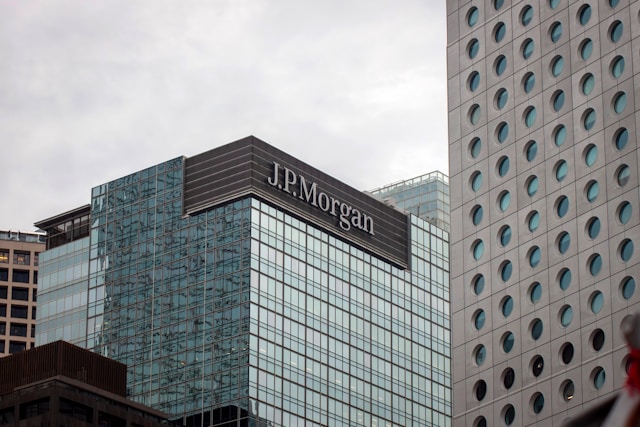
Hong Kong’s emerging business ecosystem is one of Asia’s principal hubs for early stage innovation, with excellent connectivity to the rest of the world and easy access to capital. With a straightforward tax system, an enormous talent pool and government and private group support, Hong Kong entrepreneurs are in luck. A lot of co-working spaces and tech labs assist early-stage new firm to scale. Investors and mentors commonly throw events, improving the circulation of fresh concepts and commercial connections. Hong Kong’s proximity enables emerging business to operate in close proximity to cities in mainland China and Southeast Asia. To provide a complete picture, the following segments will discuss funding options, support schemes, leading sectors and how to start up in Hong Kong.
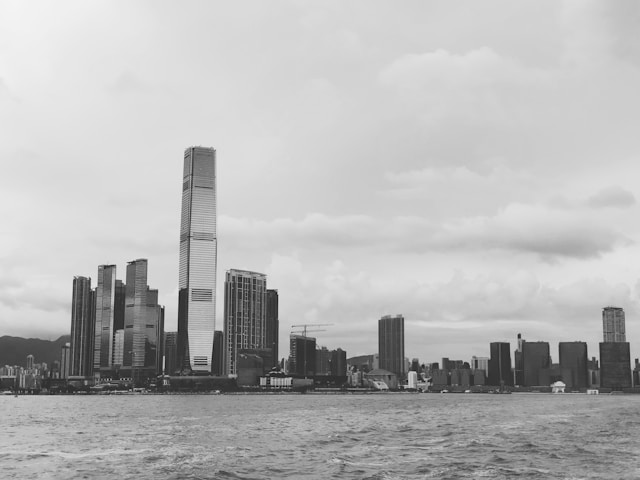
Why Hong Kong's Emerging business Ecosystem Thrives
Hong Kong’s early-stage company scene is unique in Asia for its solid legal system, robust financial services, and government assistance. The city’s infrastructure enables founders to build, test, and launch products. With more than 4,000 new businesses, which is a 34% increase since 2019, the ecosystem is continuously expanding and attracting founders from Hong Kong and around the world.
1. Government Push
The government supports new firms with initiatives via Invest Hong Kong, providing entrepreneurs access to hands-on support, resources, and funding avenues. Emerging businesses are able to tap into multiple funding schemes, including the Innovation and Technology Fund, Cyberport, and Hong Kong Science Park incubation programs, which cater to different sectors. Local rules are transparent and target frictionless registration and operation. To keep the ecosystem vibrant, the government continues to develop new initiatives that drive innovation, providing young companies with a strong foundation to scale.
2. Global Talent
Hong Kong’s workforce is a mixture of 68% local, 26% foreign, and 6% returnees, which introduces diverse expertise and perspectives. International founders are increasingly opting for Hong Kong over hubs such as Silicon Valley. Local and foreign founders frequently link up, which ignites new business models and fuels the ecosystem. Hong Kong’s universities bolster this with business and science programs, research and mentorship, seeding talent into young companies. Networking events and new firms meetups facilitate the connection of founders, mentors, and investors globally.
3. Capital Access
Hong Kong early-stage companies have access to a full spectrum of funding sources. VC firms and private equity are active, with many of them on the early stage side. Angel investors tend to provide both capital and counsel. Crowdfunding enables founders to validate concepts and source funding from an expansive community of supporters. Government grants and subsidies are a key part of the funding mix, making it easier for new firms to get off the ground.
4. GBA Gateway
Hong Kong’s location allows companies to access mainland China and beyond. By collaborating with cities in the Greater Bay Area, new firm have the opportunity to scale quicker and discover new partners. The city’s robust logistics and tech infrastructure assist businesses in managing cross-border trade. Young companies frequently employ Hong Kong to launch into the broader region, enhancing expansion and customer access.
5. Legal Framework
Establishing a company in Hong Kong is straightforward, with straightforward company registration and regulatory compliance. Intellectual property is protected under the city’s legal system so that new firms can build and own their ideas safely. Corporate service providers assist founders in managing the paperwork, allowing them to concentrate on scaling the business.
Where Innovation Happens
Hong Kong distinguishes itself as a hub of innovation through a robust combination of local and international companies and a government that champions technology and research. The city’s market is brutal and quick-shifting, which drives early-stage companies to innovate real solutions and scale rapidly. Backed by the public purse, a geographical advantage and an industry mix, Hong Kong’s new firm ecosystem offers entrepreneurs multiple pathways to succeed.
Fintech
Hong Kong’s fintech scene, one of the most fast-moving in Asia, is moulded by its finance hub DNA. Fintech unicorn venture capital are developing digital payments, wealth management and lending platforms that simplify banking for all. The regional administration collaborates with international investors and entrepreneurs, facilitating their integration into the ecosystem. The city’s solid legal and banking systems let companies test, launch and scale new services quickly.
Where collaboration between new firms and regulators is commonplace. The HKMA has a sandbox program for fintech pilots, and events like Hong Kong FinTech Week gather investors, regulators, and founders to talk about the latest trends. This keeps new businesses legal as they innovate to serve users.
Web3
Web3 is prospering in Hong Kong, attracting attention from native and overseas founders alike. Blockchain new firms leverage Hong Kong’s open business environment to develop decentralized platforms and experiment with digital assets. These companies collaborate with others to design products that use smart contracts or NFTs for practical application.
We’ve got meetups like ETH Hong Kong, where founders and funders connect and swap ideas. With the government and regulators keeping a close eye, new firms remain on top of the latest regulations. This assists all in accelerating swiftly yet cautiously regarding security and compliance.
Biotech
Biotech in Hong Kong leverages research talent and close ties with leading universities. Startups on drug development, diagnostics, and devices collaborate with hospitals to test and enhance new products. Where innovation happens. The Innovation and Technology Fund helps founders secure funding from lab to market.
Life sciences-focused venture funds add additional options for financing. These industry conferences, such as the Asia Biotech Invest Forum, bring startups together with partners and experts from across the globe and accelerate growth and learning.
Green Tech
Green tech is taking root, with startups developing solutions for clean energy, waste handling, and sustainable food. Hong Kong’s government backs these efforts with grants and policy shifts to nudge greener options. Startups frequently collaborate with worldwide NGOs or local corporations to create initiatives that reduce emissions or save power.
Investors are funding green tech, witnessing its expansion and influence. A lot of startups attend the Eco Expo Asia to connect with environmentally conscious buyers, partners, and investors.
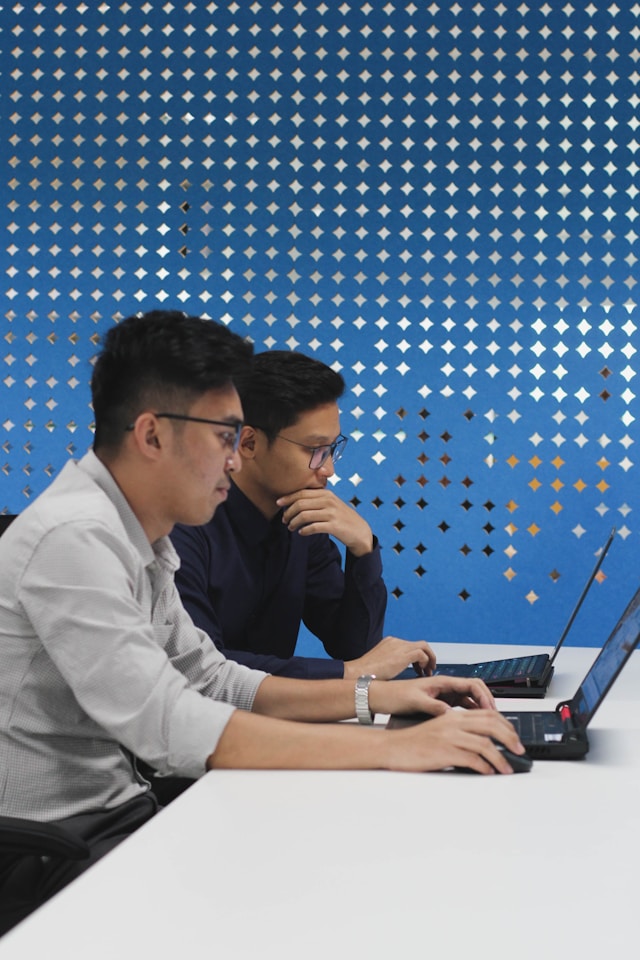
The GBA Super-Connector Role
Hong Kong stands out as a super-connector in the Guangdong-Hong Kong-Macao Greater Bay Area (GBA). That’s a result of its continued role as a bridge between the Mainland and global markets. The city’s trade with partner countries hit a record US$300 billion in 2024, boding well for demand. Investors view Hong Kong’s position in the GBA as an opportunity to access both Mainland growth and global trends. The city’s legal system, free flow of capital, and open market rules help make cross-border deals smooth and trusted by all sides.
Hong Kong’s position within Asia's most vibrant GBA provides startups a powerful analytics advantage financial technology. Thanks to the GBA’s economic connection, startups in Hong Kong can tap into a significantly larger user and buyer base of nearly 87 million people in the area. Local founders will often use HK as a springboard to test and get products out before venturing into the bigger Mainland market. The GBA delivers new resources, from funding to business partners. For instance, fintech companies in Hong Kong collaborate with banks in Shenzhen to develop new payment utilities and cross-border services, aided by simplified flows of funds and information.
Hong Kong’s fintech startups contribute significantly to this cross-border growth. The city has since become one of the leading bond sales locations in Asia, attracting patient capital and long-term foreign investors. This assists startups in securing funding for research and development or to expand internationally, leveraging the city’s strong international financial connections. The rule of law and clear business rules help build trust with investors from many countries. For instance, biotech startups in Hong Kong can fundraise for expansion in the GBA and then use the funds to establish labs or offices in cities such as Guangzhou or Zhuhai.
Hong Kong’s super-connector role will expand as its connection with the Mainland and beyond becomes even more profound. More cross-border deals, joint ventures and tech projects are on the horizon as the GBA continues to open up. Hong Kong-based startups can leverage these connections to expand within the market and take off globally.

Navigating The Challenges
Hong Kong’s startup scene is vibrant yet intricate. Expensive and competitive talent markets constrain markets and risk management. Startups grapple with soaring costs, talent scarcity, capital access, and geopolitical risks. Discovering pragmatic routes through these difficulties is important for sustainable development.
High Costs
Hong Kong office space remains one of the most expensive around the globe. Many startups operate out of co-working spaces or incubators, reducing upfront costs and providing flexible terms. Shared services may include access to meeting rooms, business services, and networking events, providing value beyond savings.
Staffing and operations increase costs. Startups begin very lean with part-time hires in key roles. Some bargain with suppliers on reduced rates for products such as software or logistics. Frugal budgeting is a must, particularly when venture funding is minimal and cash flow is lean.
Funding hole for Series A and beyond makes financial planning more critical. Startups may have to go a lot further with capital during early growth by utilizing innovative techniques to keep expenses down and extend runway.
Talent Wars
Hong Kong’s brain drain and deficit in tech talent make recruiting hard. Startups tend to lure such talent with flexible working, stock options, or other quirky perks that fit the startup culture. Others provide career trajectories, equity, or benefits that large companies can’t compete with.
Work culture matters. Startups focus on cultivating a culture in which employees feel appreciated and empowered to contribute. This keeps spirits high and fuels creativity. Many back continued training or courses to help employees develop skills, which increases retention.
Involvement with universities and colleges links. Local school partnerships can provide new graduates, interns, and research talent to startups, mitigating the shortage.
Market Size
Because of the city’s small size, startups really have to find some kind of niche. Deep insight guides them toward customer segments with gaps or frustrations that others haven’t addressed. They frequently have products customized for Hong Kong’s blend of ethnic groups and consumer behaviors.
Lots of startups think beyond local borders, at regional or global markets. Alliances with distributors or firms in Macao and elsewhere can aid expansion, though these connections remain underexploited.
Risk Management
Geopolitical shifts, such as superpower rivalry, can affect industries like semiconductors. Startups require robust risk plans, keeping an eye on any legal changes or world trends that might impact business.
Cash flow, data protection, and market-shift planning all count. Startups strive to keep operations nimble and not rely on a single market or revenue stream.
The Unspoken Culture
Hong Kong’s startup scene has a culture that transcends rapid scaling and financing. What really jumps out is the level of founders and teams working side-by-side. Most co-working spaces and incubators assist individuals in connecting, exchanging ideas, and even collaborating on new projects. This feeling of support makes it easier for first-time founders to receive advice from peers or find access to seasoned mentors. Knowledge sharing is a huge part of everyday life. Entrepreneurs organize frequent meetups, workshops, and even online forums to discuss what succeeds, what doesn’t, and how to manage typical challenges. Hard advice gets inherited. For instance, founders discuss how to maintain lean teams when office rents are expensive or how to leverage the city’s robust legal and banking infrastructure to rapidly scale.
Mentorship wasn’t just a buzzword; it was the real practice. Plenty of experienced founders step up to coach newcomers, providing advice on raising funds, hiring, or discovering new markets in APAC. This type of support aids not only locals but the 26% of startup founders who originate from abroad. It assists those who grew up in Hong Kong and have returned to begin new ventures. This blend of experiences keeps the wisdom well deep and the ethos transparent.
Resilience and adaptability are two values that come up a lot. With the city’s costs soaring and the world uncertain, startups here figure out how to pivot fast, trim expenses, or release new products quickly. It’s not uncommon for teams to pivot their business plan to fulfill new market demand or to leverage cross-border deals in the GBA. The government’s innovation drive is a boon, but the talent gap forces founders to be cotton pickers in many ways, picking up new skills along the path.
Victories, large and small, are lauded in the community. There are opportunities to highlight new launches, and tales of flops are recounted for the benefit of all. This candid approach fosters trust and fortifies the entire ecosystem.
Future of Hong Kong Startups
Hong Kong’s startup ecosystem is burgeoning at a rapid pace, boasting 4,694 startups in 2024 and witnessing a 10% growth compared to the previous year. The city attracts talent globally; 68% of startup founders are local, 6% are returnees and 26% are from abroad. This combination fosters innovation and injects an international perspective into commerce. Hong Kong startups now account for more than 17,651 employees, demonstrating the sector’s contribution to job creation and local talent development.
These are the trends that are going to define what’s next. AI, SaaS, IoT, big data, robotics, VR, AR, and new materials startups are at the forefront. A lot of these young companies are leveraging digital to address new issues. For instance, Hong Kong’s banking and finance firms are fast adopters of generative AI, with 75% now implementing at least one practical use case. Meanwhile, the Hong Kong government is investing actual money in tech. Hong Kong gives a $3 billion AI subsidy scheme to local groups to accelerate AI work and research and development. This complements what local universities are doing, as they now have more science spending and staff than ever, assisting with early-stage tech concepts making the leap from labs to life.
Sustainability and social responsibility are now key for many startups. Investors and customers want to see tangible roadmaps of how companies are assisting the environment and community. This isn’t just about image; it influences how startups design products and manage teams. For instance, more companies are either leveraging green tech or ensuring their supply chains are equitable and safe.
Hong Kong startups confront stiff challenges. The funding gap is real because it’s difficult for a lot of founders to raise from lead investors at the Series A stage or later. To make matters worse, geopolitics, such as the current US-China tech split, can hamper expansion in areas such as semiconductors or cross-border digital commerce. To get their edge, startups must keep learning and pivot quickly as the world pivots. That is, construct teams who can learn new skills and pivot, not one time, but over and over again.
Conclusion
Hong Kong maintains its position as a leading startup hub. They find real support, fast tech, and a cross-pollination of ideas from everywhere. Startups establish shop quickly, find new partners, and access the massive China market via GBA. Certainly, rents are high and regulations fluctuate. Founders employ clever tricks and local connections to leapfrog the competition. The city’s open style and long work hours forge a scene that seems both gritty and accessible. New trends continue to pop up, such as greentech and fintech. For anyone who wants to build or back new ideas, Hong Kong deserves a hard look. So watch and grow.
Frequently Asked Questions
What makes Hong Kong's startup ecosystem successful?
Hong Kong provides access to global markets, robust legal protections, and a talented pool of workers. Its location and business-friendly policies enable startups to scale fast and network globally.
Where are the main innovation hubs in Hong Kong?
These include key innovation hubs such as Cyberport and Hong Kong Science Park. These hubs offer resources, guidance, and capital for startups in tech and creative sectors.
How does Hong Kong serve as a super-connector in the Greater Bay Area (GBA)?
Hong Kong connects global companies with the GBA, providing access to mainland China’s vast consumer market and resources. Its proven financial infrastructure and community simplify cross-border cooperation.
What challenges do startups face in Hong Kong?
Hong Kong startups are encountering sky-high costs and limited affordable space, as well as contending with talent poaching. Funding is often tough to come by for early-stage companies.
How does culture influence startups in Hong Kong?
There’s a local culture of hustle and flexibility. Everything is about networking and trust for business success. Hierarchy and risk aversion can sometimes stymie innovation.
What is the future outlook for Hong Kong startups?
It’s a good outlook with more tech investment, government support, and more integration with the Greater Bay Area. Hong Kong will continue to be the best hub for startups in Asia.
Are there government programs to support startups in Hong Kong?
Yes, there are a number of government programs that provide funding, training, and networking. Cyberport and InvestHK type initiatives nurture startups to scale and reach the global market.