
Hong Kong Economy: GDP Growth Rate & Forecasts, Hong Kong SAR
Hong Kong SAR GDP Growth Rate: Key Trends, the 3.2% Growth Rate, and Forecasts Through 2025
Hong Kong’s Economic Shift and the Pressures Reshaping Its Global Role
-
Hong Kong economy underwent rapid change between 1997 and 2025, transitioning from manufacturing to the world’s leading financial center.
-
Economic integration with gross domestic product mainland China, such as trade deals and infrastructure connections, was a key force behind growth and market forces.
-
The city shined through world financial crises, holding firm through proactive government actions and robust banking institutions.
-
Political issues, including the national security law, dampened business sentiment, foreign investment, and Hong Kong’s global reputation.
-
Growing competition from other financial centers and higher living costs have eroded Hong Kong’s competitive edge.
-
To grow sustainably, cities should emphasize adaptability, thoughtful policy frameworks, and cultivating an economic base broad enough to weather worldwide disruptions.
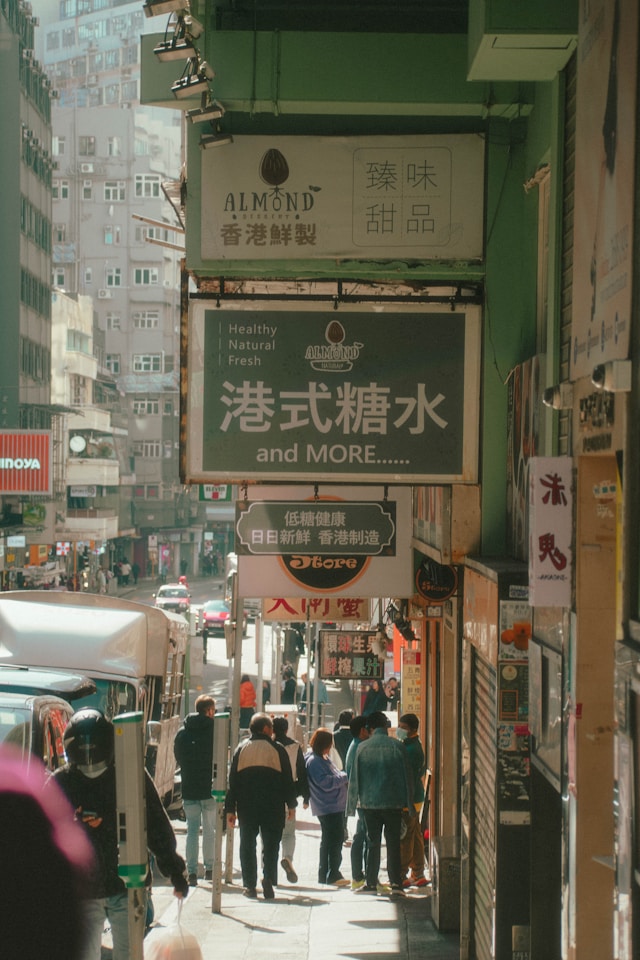
Hong Kong SAR’s Economic Journey: Gross Domestic Product Trends, Key Indicators, and Market Shifts Leading Into the Third Quarter of 2025
Hong Kong’s economic growth from 1997 to 2025 experienced several changes influenced by local and global occurrences. The city returned to Chinese rule in 1997 and it signaled a new stage for its open market and finance sector. Year-on-year, Hong Kong’s GDP growth rate varied with the Asian financial crisis, the 2003 SARS epidemic, the 2008 global recession and trade transitions with Mainland China. Property, tourism and banking drove the economy. Policy shifts, demonstrations and the worldwide outbreak also influenced its economic landscape. To illustrate how these shifts affected employment, commerce and everyday life, the following chapters dissect the key milestones and statistics from each decade. This provides a nice perspective into Hong Kong’s trajectory over these years.
Tracking Hong Kong’s Economic Metamorphosis Through Real Gross Domestic Product, GDP Growth, Labor Trends, and Financial Market Signals
Hong Kong’s economy transformed dramatically according to the census and statistics department between 1997 and 2025, influenced by internal and external dynamics. It transitioned from a manufacturing economy into a financial and service powerhouse while navigating sovereignty changes and increasing connections with mainland China.
1. The Handover Boom Economic Indicators
Hong Kong’s handover to China in 1997 launched a stretch of aggressive economic expansion. The city’s GDP grew quickly, with big wins in finance, real estate, and retail. Banks and insurance companies grew, and property prices rose. The ‘One Country, Two Systems’ policy allowed Hong Kong’s legal and economic rules to remain distinct from those of mainland China, fostering confidence among international investors. Massive amounts of mainland capital flooded into local markets and stoked the business and property boom. Mainland investment made local firms grow faster, and the government largely adopted a laissez-faire approach.
2. The Mainland Catalyst GDP Growth Rate
Economic linkages with the mainland tightened after 1997. It became easier to sell goods and services to the mainland through the Closer Economic Partnership Arrangement (CEPA). Hong Kong had become the main portal for foreign commerce with China. Mainland tourists poured in, lifting retail, hospitality, and transport. New connections such as the Hong Kong-Zhuhai-Macao Bridge and the Greater Bay Area initiative brought Hong Kong and Guangdong province closer together, facilitating trade and tech transfer. These actions accelerated development in the finance and services industry.
Tighter mainland ties implied changes in the city’s function. Hong Kong’s portion of China’s GDP declined from 18.4% in 1997 to only 2.1% by 2021. Services continued to grow, with the service workforce increasing from 52% in 1981 to 80% in 2000.
3. Global Crisis Resilience
Hong Kong had to weather shocks from the outside world, such as the Asian Financial Crisis and the global downturn of 2008. The Hong Kong dollar remained firm, linked to the US dollar, which supported investor confidence. The government deployed its ample reserves to backstop banks and the market in tough times. Fast policy actions, such as stimulating spending or backing employment, enabled the city to rebound more quickly than many peers. Changes and firm regulations maintained the financial industry health, attracting investors even when the world was unsure.
4. The Turbulent Crossroads
Big challenges arrived in recent years. Mass protests and political unrest decimated retail, tourism, and the small business sector. The national security law passed in 2020 prompted some foreign firms to reconsider, sparking new questions about the fate of economic liberty. Relations with the mainland became more closely knit, and certain international investors became cautious. Housing costs rocketed; property prices increased by 242 percent within ten years while real wages remained stagnant.
What Forces Shaped Growth?
Hong Kong’s economic odyssey from 1997 to 2023 was forged by many forces. The city’s open market, its links to mainland China, and shifts worldwide have all been big factors. Here are the main drivers:
-
Economic alignment with China, particularly through the Greater Bay Area initiative.
-
Local policy shifts and regulatory updates
-
Global economic trends and trade relationships
-
Demographic shifts, including changing labor and consumer patterns
-
Social dynamics and the evolving workforce
Integration
Economic integration with the mainland has helped Hong Kong maintain its position as a center of world trade. The Greater Bay Area initiative connects Hong Kong with Chinese giants on the mainland, creating new demand for its service sector and finance. This integration has facilitated cross-border trade and presented challenges, like competing with nearby cities and adapting to new regulations. Cross-border trade deals have helped local firms reach more buyers and forced them to meet stricter rules and face fiercer rivals. Infrastructure projects like new bridges and rail links facilitated the movement of people and goods, knitting the region together and spurring business.
Geopolitics
Geopolitical tensions have transformed Hong Kong’s business environment. As a city caught between U.S.-China disputes, it has witnessed a change in its trade and investment patterns. U.S. Policies such as export bans and sanctions have complicated matters for certain companies. Meanwhile, Hong Kong has sought to be an intermediary in the big economic conversations, leveraging its role as an international finance center. These tensions have occasionally dampened business sentiment and complicated future planning.
Policy
The government’s hands-off approach has made Hong Kong synonymous with free markets. Over the years, leaders have adjusted tax laws and business regulations to keep the economy open and attract international companies. Tax rates have remained low, allowing companies to retain more of their income. Innovation and tech policies have been spurred to help Hong Kong stay ahead as services rose from 52 percent to 80 percent of jobs from 1981 to 2000. Public funding has supported major initiatives, such as new roads and schools, benefiting commerce and the broader community alike.
Society
-
Workforce and family size shifts rewired buying habits.
-
Protests and social unrest have sometimes scared off investors
-
A constant churn of arrivals and departures shaped the labor market.
-
House prices have skyrocketed, while wages haven’t.
Immigration and emigration have challenged employers’ ability to locate the right skills. They have created a diversified consumer base. Robust schools and a focus on skills have helped keep the workforce primed for new demands. Social stability continues to be critical for attracting foreign investment and maintaining the city’s appeal.
From Factory to Finance Hub
Hong Kong’s story since 1997 is one of transformation from factory town to finance capital. The city expanded rapidly in the 1950s and became a giant in the manufacture of clothing, toys, and electronics. By the 1980s and 1990s, a lot of those factories began to shift to locations like mainland China, where it is cheaper to produce goods. This caused a decline of factory jobs in Hong Kong. Manufacturing share fell from 39 percent in 1981 to just 10 percent in 2000. Meanwhile, the service sector exploded, increasing from 52 percent to 80 percent of all jobs. This transition was evident in everyday existence. Increasingly, though, people worked in banks, tourism, shipping, and business services, and Hong Kong’s port was now one of the busiest in the world for moving goods.
The decline of the former was paralleled by the growth of the latter. Banking, insurance, and legal services took pride of place. The government’s light-touch, laissez-faire approach let businesses move fast and try new things. It attracted global companies who wanted access to Asia’s markets. Property prices skyrocketed, with homes worth nearly 2.5 times more just in the last decade. Yet, this growth left gaps as well. Real GDP nearly doubled since 1999, but wages grew much slower, only about 30%. That left others thinking the benefits weren’t distributed equitably.
Hong Kong’s stock exchange became the world’s leading location for fundraising, with businesses from all over the world going public there. Major Chinese companies tend to choose Hong Kong for their initial public offerings. Connecting east and west, the exchange shunts funds passing in Shanghai through the city to and from China and beyond.
Finance innovation helped define the city’s trajectory. Fintech startups established in Hong Kong to create payment networks, digital banks, and innovative money transfers. The government and private sector both supported digital transformation, eager to maintain the city’s position as a world finance capital.
The Fading "Hong Kong Advantage"
Hong Kong had open markets, low taxes, and great trade connections. These things afforded the city a distinct Asian advantage for years. Ever since the late 1990s, its lead has been slipping. More cities compete for the same business, and some of what made Hong Kong stand out is less distinct today.
Factors Behind the Diminishing Competitive Edge
Hong Kong’s old strengths, such as its free port status and business-friendly rules, now come under pressure. Regional growth and new global rules bring more checks and expenses. The city’s connection to the mainland at one time gave it a leg up. Now, cities such as Shenzhen and Guangzhou attract major enterprises. Hong Kong’s own rules are shifting, with stricter scrutiny on money movement and increased compliance measures. All of these changes are increasing the difficulty for new firms to start up or for small firms to keep pace.
The Rise of Competing Financial Centers in Asia
Singapore and Shanghai have established powerful brands as finance centers. Singapore keeps its rules simple and quick and has been pushing digital banking and green finance. It has made inroads by attracting international talent and major banks. Shanghai, supported by China’s own ambitions, is already home base for a lot of international companies. Its scale, fresh technology and close connections to mainland markets are attracting investors and companies alike. These cities provide what Hong Kong had all to itself before: a secure, international, well-managed venue for capital and commerce.
High Living Costs and Property Prices
Hong Kong’s cost of living is now one of the world’s highest. Office rents and home prices continue to climb, so it’s hard for businesses to expand or for employees to afford to stick around. Lots of companies choose garden cities that are a lot cheaper, like Kuala Lumpur or Bangkok, to establish offices or hire people. High prices sting startups, who struggle to afford space or talent.
Regulatory Changes and Political Uncertainties
Recent years introduced new rules, such as the national security law, that left certain companies uncertain about legal security and press independence. Policy or legal changes create uncertainty for international capital. Others shifted critical employees or resources to locations they consider less volatile, such as Tokyo and Singapore. Such measures indicate how, even in small ways, the needles where money and talent flow in Asia can be nudged.
Current Economic Pulse
Hong Kong’s economy, a global financial hub, demonstrates resilience and adaptability in the face of evolving global trends. Growth since 1997 has mirrored both global headwinds and local strengths, with the region’s laissez-faire bent influencing its fundamental policies.
Key Indicators
-
Hong Kong’s rise in GDP decelerated to around 2.5% in 2025, following higher rates of increase in the early 2000s. The 2009 great recession caused a 2.8% decline in real growth, but the rebound was rapid because of open trade and finance.
-
Unemployment remains flat and has declined in recent years. While job markets rebounded from global shocks, wage growth hasn’t always kept pace with the increase in living costs.
-
With inflation rates holding below 5%, there’s that feeling of price stability. This has assisted in maintaining essential items within reach, even with continued home price surges.
-
Trade surpluses are still a strength, connected to re-export activity and strong investment flows. The city’s GDP per capita at PPP was twelfth in the world in 2025, reflecting strong output per person.
-
Tourism had been value-added for a long time and took punches from international travel bans and geo-specific events. Traffic started to come back, but the segment’s complete rebound continues to be linked to overall travel patterns.
-
Following these indicators is important for anyone from entrepreneurs to politicians. They indicate where threats and opportunities are.
Fiscal Health
-
Government debt is low, which indicates a taste for austerity, not stimulus.
-
Public expenditure is concentrated on social welfare and cash handouts in downturns, which allows citizens to ride out hard times.
-
Cash handouts and support programs came in handy during recent downturns. They aren’t a solution to more ingrained problems such as housing.
-
By keeping budgets balanced, we support trust in our local finances and plan for the future.
Public housing wait may be six years. This highlights social infrastructure deficits despite robust fiscal figures.
Future Outlook
The projections are for just modest growth going forward, 2.5% in 2024. Increasing property prices, an aging population and international uncertainty create major challenges. As a tech and finance hub, Hong Kong might benefit from digital shifts and new trade relationships. Strategic planning and policy shifts will matter for long-term growth.
Lessons for Global Cities
Hong Kong’s economy from 1997 through 2023 illustrates lessons for global cities on how cities can scale rapidly, recover from shocks, and remain resilient in a volatile world. Its tale provides valuable lessons for global cities seeking sustainable growth and enduring success.
Adaptability and Resilience
Hong Kong saw abrupt transformation: the Asian financial crisis, SARS, and global trade patterns. Even with these shocks, the city maintained its cutting edge by adapting quickly. Companies launched new services, banks opened to new markets, and the city government acted fast to keep commerce flowing. It illustrates the fact that cities require mechanisms to recover from both local and global impacts. They can do this by being inspired by failure, embracing innovation, and avoiding industrial monoculture.
Governance and Policy
Policy decisions were a major factor in Hong Kong’s success. Its low taxes, easy rules and open trade made business bloom. The city’s strong legal system engendered confidence with global investors. At the same time, explicit guidelines for banks and markets maintained risks in examination without decelerating growth. Other cities can take a lesson from this by creating regulations that benefit both small and large companies. They should maintain laws that are transparent, just and simple to comply with, so that people feel secure to invest and found.
Diverse and Inclusive Economy
A huge element of Hong Kong’s sustained power was its industrial diversity. Finance, shipping, tourism and tech all expanded hand in hand. This blend allowed the city to survive slumps in one area by relying on others. Citizens of diverse origins delivered fresh concepts and talents, sparking innovation and development. Cities looking to endure must embrace multiple modes of work and their workers. They must nurture small businesses, foster new technology and ensure that everyone has an opportunity for a good job.
Conclusion
Hong Kong experienced rapid growth between 1997 and 2023. The city transitioned from a large manufacturing base into a major financial center. Policy turns, new technology, and new trade connections determined where the dollars went and where the jobs went. A few of those old perks dimmed, but new talent and open markets sustained the city in the game. Other world cities can learn from this story: stay nimble, change with the times, and keep your doors open. Expect trade, tech, and rule shifts. Remain prepared to evolve. For more stories and sharp takes on global growth, explore more posts or subscribe.
Frequently Asked Questions
What was the key driver of Hong Kong's economic growth from 1997 to 2023?
Hong Kong’s growth was underpinned by its emergence as a global finance and services hub. Open markets, strong legal systems, and close ties with mainland China all played major roles.
How did Hong Kong shift from manufacturing to finance?
Hong Kong changed course in the 80s and 90s. Factories relocated to mainland China, and Hong Kong pursued investments in banking, logistics, and professional services.
What challenges affected Hong Kong’s economy after 1997?
Major hurdles encompassed worldwide financial downturns, burgeoning city rivalries, political transitions, and the COVID-19 pandemic, which decelerated expansion and heightened unpredictability.
Why is the "Hong Kong advantage" said to be fading?
The "Hong Kong advantage" its special cocktail of freedom and China access has come under pressure from inflation, new rules, and strengthened rivals in the region.
What is Hong Kong’s economic status today?
Hong Kong continues to be a top financial center and sees slower growth. Housing costs, an aging population, and geopolitical tensions shape its outlook.
How has Hong Kong managed economic shocks since 1997?
Hong Kong leveraged robust reserves, adaptable policies and government support to weather crises such as the 1998 Asian financial crisis, SARS in 2003 and COVID-19.
What can other global cities learn from Hong Kong’s experience?
Other cities can take lessons in the importance of adaptability, open trade, and investing in services. They should brace for things like inflation and political shifts.