
Best yoga studios in Hong Kong for every budget and level
Finding the best yoga studios in Hong Kong is less about chasing a single famous name and more about matching a studio to how you actually live and move. The city has a deep yoga scene, from boutique rooms in Central to community spaces in Kowloon and quieter studios on the outlying islands. Prices range from a few hundred dollars for a drop-in to unlimited memberships that cost more than a gym, and styles span gentle restorative work all the way to hot rooms heated past 38 degrees.
This guide is built to help you choose well rather than hand you a ranked list of businesses. It covers the main yoga styles, how to read a studio by your experience level, what beginners should look for, how to fit classes around office hours, the real difference between a class pass and a membership, and how the districts compare, so by the end you should know what to ask and roughly what you are willing to pay.
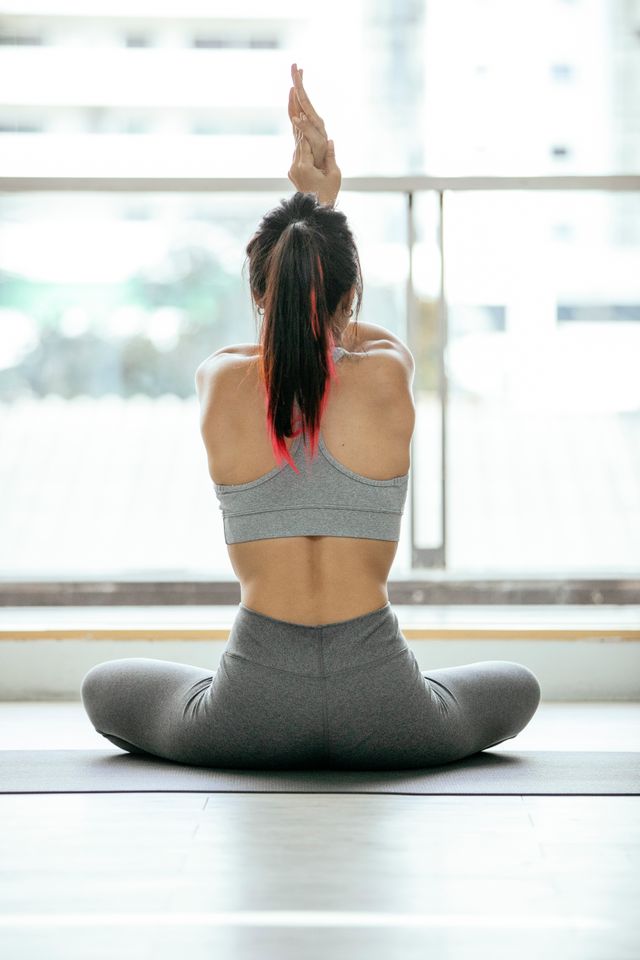
Yoga styles in Hong Kong, decoded
The biggest source of confusion for new students is the style name on the timetable. Two classes both labelled "yoga" can feel like different activities, so it helps to know what each one involves.
Vinyasa
Vinyasa, sometimes written as "flow," links movement to breath so one posture transitions into the next. It is the most common style on Hong Kong timetables because it scales well, an instructor can keep it gentle for a mixed room or push the pace for a stronger one. It suits people who dislike holding still, though "power vinyasa" or "rocket" labels signal a faster, more demanding version.
Hatha
Hatha is slower and more static: you move into a posture, hold it, breathe, then move out. Because the pace is gentle and the instructor has time to explain alignment, it is one of the friendliest styles for complete beginners and for anyone returning after an injury. It is not "easy," holding postures builds real strength, but it gives you space to learn.
Yin
Yin yoga targets connective tissue rather than muscle. Postures are held for long stretches, often three to five minutes, usually seated or lying down, for a deep, passive release through the hips, hamstrings, and lower back. It pairs well with a desk-bound life and with more active styles, many regulars do a strong vinyasa midweek and a yin class at the weekend to balance it out. It is calm and slow, but the long holds are quietly intense.
Hot yoga and Bikram
Hot yoga is practised in a heated room, commonly 38 to 40 degrees, to loosen muscles and encourage sweating. Bikram is a specific, trademarked sequence of 26 postures and two breathing exercises in that heat, always in the same order, while many Hong Kong studios now run "hot yoga" or "hot flow" that borrows the heat without the strict script. The heat can help flexibility but is demanding on the heart, so hydrate well beforehand, bring a large towel, and tell the instructor if you have low blood pressure or are pregnant. Beginners can try it, just go in rested and rest whenever you need to.
Ashtanga
Ashtanga is a rigorous, structured practice with a set sequence you progress through over time. Traditional "Mysore style" classes have students moving through it at their own pace while a teacher gives individual adjustments. It rewards consistency and builds noticeable strength, but the discipline and intensity make it a harder starting point than hatha or a gentle vinyasa. Since most Hong Kong studios run several styles, a good plan for a newcomer is to start with hatha or a slow vinyasa, then add yin and a hot class once you feel steady on the mat.
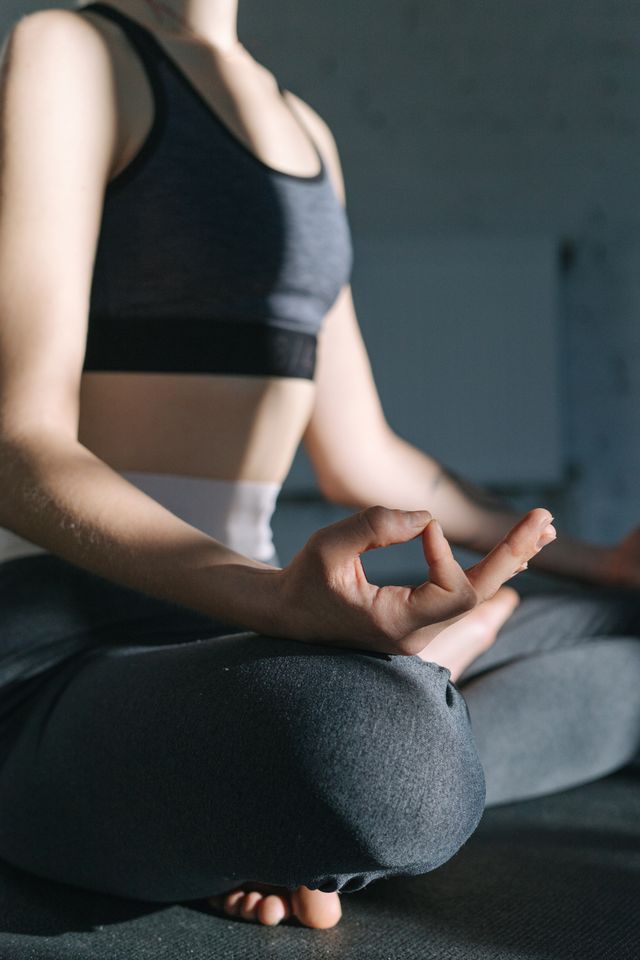
How to choose a studio by your experience level
Experience level matters more than brand reputation. A studio that suits a seasoned practitioner can leave a first-timer lost, so read the timetable through the lens of where you actually are, then shortlist the yoga studios whose classes match your level before you book a trial.
Complete beginners. Look for classes labelled "beginner," "foundations," "gentle," or "level 1," which move at a pace that lets the instructor explain the basics: how to breathe, how to stack your joints safely, and what each posture is for. Avoid anything marked "power," "advanced," "level 3," or "Mysore" for the first few weeks. A small class means more eyes from the teacher and safer corrections.
Returning after a break or an injury. Treat yourself as a beginner even if you used to be advanced. Tell the instructor about any injury before class, and choose studios that advertise small classes or props like blocks, straps, and bolsters, where hatha and yin are forgiving. For a specific medical issue, look for teachers trained in therapeutic or restorative yoga.
Intermediate practitioners. Once the basics are automatic, you want a mix of levels so you can push on strong days and recover on tired ones, which makes a variety of styles under one roof valuable. This is where teacher quality matters more than convenience, a good instructor who challenges your alignment is worth a longer commute.
Advanced students. You are likely choosing on specific teachers, the availability of Mysore or self-practice time, and access to workshops and teacher training, where a community of committed practitioners tends to outweigh polished facilities. It is normal at this level to hold a membership at one studio while attending occasional workshops elsewhere.
Whatever your level, the honest test is how a class makes you feel afterwards. Challenged and clear-headed is the target. Lost, ignored, or in pain means the class or studio is the wrong fit, not that you have failed at yoga.
What beginners should look for on the first visit
Your first class shapes whether you come back, and a few practical checks separate a welcoming studio from one that will quietly put you off.
- A genuine intro offer. Most studios run a first-timer deal, a discounted class, a free trial, or an intro week or month at a reduced rate. This lets you test the room, the teachers, and the commute before paying full price.
- Clear class descriptions. A good timetable tells you the style, the level, the duration, and often the teacher. If everything is just labelled "yoga" with no level marked, ask the front desk which class suits a beginner rather than guessing.
- Equipment provided. Check whether mats, blocks, straps, and towels are included or rented separately. Many studios lend mats free or for a small fee, so you need not buy gear before you know you will stick with it.
- Showers and changing space. This matters if you plan to practise before work or at lunch, and hot yoga without a shower afterwards is a problem.
- An instructor who notices you. A teacher who asks about injuries, offers easier options, and gives corrections is doing the job properly. You should never feel pushed past what is safe, and a class that leaves you in pain rather than pleasantly worked is a signal.
- Teaching language. Hong Kong studios teach in English, Cantonese, Mandarin, or a mix, so confirm the language of a specific class before you book.
Two etiquette notes that make the first visit smoother: arrive ten to fifteen minutes early to set up and meet the teacher, and eat lightly beforehand, since a full stomach and twisting postures do not mix. Wear stretchy, breathable clothing.
Lunchtime and after-work classes for office workers
For Hong Kong's office crowd, the deciding factor is rarely the style. It is whether a class actually fits between meetings, so schedule and location matter most.
Lunchtime classes are usually express formats, 45 to 60 minutes, scheduled around 12pm or 1pm, and concentrated in Central, Admiralty, and Sheung Wan where the towers are. They offer a reset in the middle of the day without eating into your evening. The non-negotiables are proximity to the office, fast showers, and a class short enough to leave time to get back to your desk. A studio five minutes away beats a better one twenty minutes away, because the walk is what kills lunchtime attendance.
After-work classes cluster between roughly 6pm and 8pm and are the busiest slots of the day, so popular classes fill fast. If you rely on evening sessions, choose a studio with a booking app that lets you reserve in advance, and check the cancellation window so a late meeting does not cost you. A studio near an MTR interchange or on your commute home will see you attend far more often than one that needs a detour. If your calendar is unpredictable, favour studios with multiple branches on one membership, or a class-pass that works across locations, so you can drop into whichever branch is closest.
Class pass versus membership: what you actually pay
Pricing is where people most often overcommit. Hong Kong studios sell several models, and the cheapest on paper is rarely the cheapest for how you will really attend.
Drop-in single classes
Paying per class is the most flexible and the most expensive per visit. It is the right choice when you are testing studios, attending rarely, or visiting the city. A class in a boutique Central studio typically costs noticeably more than one in a community space further out, but if you go only once or twice a month, drop-ins still beat a membership you barely touch.
Class packs
Many studios sell bundles, for example 5, 10, or 20 classes, at a lower per-class rate than a single drop-in. Packs suit people who attend once or twice a week and want a discount without a monthly commitment. The catch is expiry: packs usually lapse after one to three months, so a 20-class pack is only good value if you can realistically use it in time, which is worth checking against your schedule before buying.
Memberships and unlimited plans
Monthly or annual unlimited memberships are the cheapest per class if you attend often, roughly three or more times a week, and they remove the friction of paying each time, which tends to increase how often you go. The risks are a minimum contract term and an early-termination fee, and some annual plans look cheap monthly but bind you for twelve months. Read the contract for the lock-in period, the notice to cancel, and whether you can freeze the membership if you travel or get injured.
Multi-studio passes
Third-party aggregator passes let you book across many studios and gyms on one subscription, often including classes beyond yoga, which makes them excellent for sampling widely without committing to one place. The trade-offs are usage caps on how often you can visit the same studio per month, and fewer prime-time slots than members get. For a committed practitioner with a home studio a direct membership is usually better value, but for an explorer an aggregator pass is hard to beat.
The simplest way to decide: estimate honestly how many classes a month you will attend, then divide each option's cost by that number for a real per-class price. People consistently overestimate their attendance, so if you are unsure, start with a class pack rather than an annual membership and upgrade once the habit is proven.
Yoga studios by district
Location drives attendance more than almost anything else, so think about geography early. Here is how the main areas differ in character and price.
Central, Sheung Wan and Admiralty
The densest cluster of studios in the city and the home of most boutique, design-led spaces. Expect polished facilities, a wide choice of styles, strong lunchtime and after-work timetables, and the highest prices. It suits office workers who want to practise around the working day and value premium facilities, with the trade-off of cost and, at peak times, crowded classes.
Causeway Bay and Wan Chai
Busy, central, and well connected, with a good mix of mid-range and premium studios and broad timetables. They work well for people on Hong Kong Island who want choice without top-tier Central pricing, though evening classes are popular, so book ahead.
Kowloon: Tsim Sha Tsui, Mong Kok and beyond
Kowloon's scene is growing and often gives better value than Hong Kong Island for comparable quality. Tsim Sha Tsui has accessible studios near the harbour and transit, while areas further into Kowloon lean toward community-focused spaces at gentler prices. A strong option for Kowloon-side residents who would rather not cross the harbour.
Quarry Bay, Tai Koo and the eastern districts
The eastern side of the island serves a large residential and office population, with studios geared to locals and commuters. Prices generally sit below Central, and classes are less likely to be packed, which suits anyone who wants a reliable local studio rather than a destination.
Outlying areas and the islands
Sai Kung, Discovery Bay, and the smaller islands offer calmer, community-oriented studios, sometimes with outdoor or rooftop sessions. The pace is slower and the feel more personal, which suits residents and anyone wanting a break from the city centre, though fewer classes and tighter schedules mean flexibility on timing helps.
The rule across all districts is the same: the best studio for you is usually the one you will actually get to. A less glamorous space ten minutes from home or work beats a celebrated studio that needs a cross-harbour trek, because consistency produces results.
Recovery, wellness and what surrounds your practice
Yoga rarely sits on its own. The more you practise, the more recovery matters, and a vigorous vinyasa or hot habit benefits from deliberate rest. Many practitioners pair their classes with massage, stretching therapy, or the occasional spa session to keep niggles from turning into injuries. If you are building a broader routine around your practice, it is worth browsing related beauty and health providers in Hong Kong for massage, physiotherapy, and spa services that complement what you do on the mat. A few low-cost habits help regardless of budget: hydrate around hot classes, schedule a gentle or yin session a week if your other classes are intense, and do not train through sharp pain, since a real injury can sideline you for months.
What to check before you sign up
Before you commit money, run through a short due-diligence list. Most of these take a single email or a two-minute chat at the front desk, and they prevent the common regrets.
- Trial first. Use the intro offer or a single drop-in before buying a pack or membership, since one class tells you more than any review.
- Contract terms. For memberships, confirm the minimum commitment, the notice to cancel, any early-termination fee, and whether you can freeze for travel or injury.
- Class size and booking. Small classes mean better instruction, and a reliable booking app means you actually get a spot at peak times, so ask how full popular classes get and whether you can book ahead.
- Teacher consistency. If you click with a particular teacher, check whether they have a regular slot, since a studio you joined for one instructor can feel different when they leave.
- Hidden costs. Confirm whether mat hire, towel rental, or premium workshops cost extra, since these small fees add up over a year.
- Hygiene and ventilation. Check how clean the mats, props, and changing rooms are, and how well the room is ventilated for hot yoga.
- Reviews and word of mouth. Read recent feedback and ask friends, but weigh your own trial class above all of it.
Ten minutes on these checks before you pay is the best way to avoid the classic Hong Kong mistake: signing a twelve-month contract in a burst of enthusiasm and using it four times.
Find a yoga studio that fits you
There is no single best yoga studio in Hong Kong, only the best fit for your level, your schedule, your district, and your budget. Match the style to where your body is now, choose somewhere close enough that you will actually attend, and pick a pricing model that fits your honest attendance rather than your aspirations. Get those right and the studio almost chooses itself, because consistency, not the prestige of the name on the door, is what delivers the calm, strength, and clarity people come to yoga for.
Ready to start? Browse the full directory of yoga studios in Hong Kong to compare styles, neighbourhoods, and class options across the city. Shortlist two or three near your home or office, check their intro offers and pricing, and book a trial class before you commit. The right studio is the one you will keep coming back to, and the only way to know is to step onto the mat.
To get listed on https://www.shareit.hk, please create a paid listing on https://www.advertise.hk