
Best interior designers in Hong Kong for small apartments
Hong Kong has some of the most expensive and most compact homes in the world, and that combination is exactly why a good interior designer earns their fee here. When every square foot is dear, the difference between a flat that feels cramped and one that feels calm and generous is almost entirely down to design: how storage is hidden, how light is used, how each room is made to do more than one job. A skilled designer does not give you more space, but they make the space you have work harder than you thought possible.
This guide is for anyone planning to renovate or fit out a small Hong Kong apartment and trying to choose the right person to do it. Instead of ranking named studios, it explains what an interior designer actually does, the difference between design-only and turnkey services, how designers charge, the things that matter specifically in a small flat, and how to work within the rules of a Hong Kong building. Read it before you start interviewing, and you will know what you are buying and how to judge it.
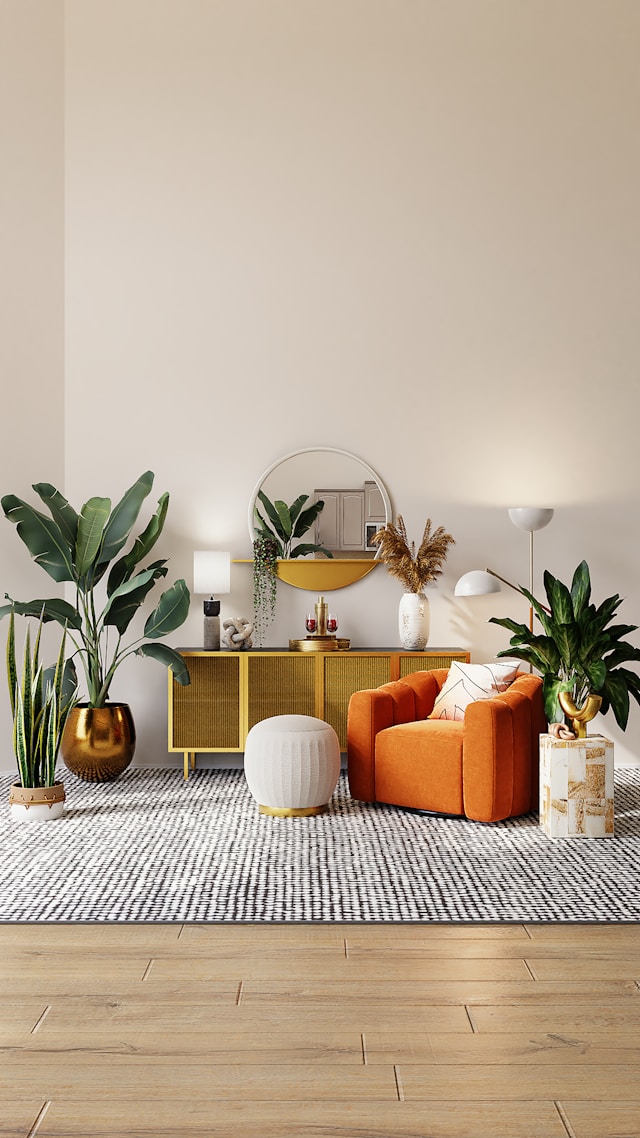
What an interior designer actually does
The first source of confusion is the job title, because several different roles get lumped together. An interior designer plans how a space looks and works: the layout, the flow, the materials, the lighting, the built-in joinery and the overall look, and they produce the drawings a contractor builds from. That is different from a decorator, who focuses on the surface layer of furnishings and styling, and from a contractor, who carries out the building work itself.
For a small flat, the planning role is where the value sits, because the gains come from rethinking the layout and the storage rather than from expensive finishes. A good designer starts with how you actually live, then reworks the space around it. Before you hire anyone, be clear about which of these jobs you need, since paying designer fees for what is really decorating, or expecting a contractor to solve a layout problem, is how projects go wrong. You can compare interior designers in Hong Kong to see who offers what.
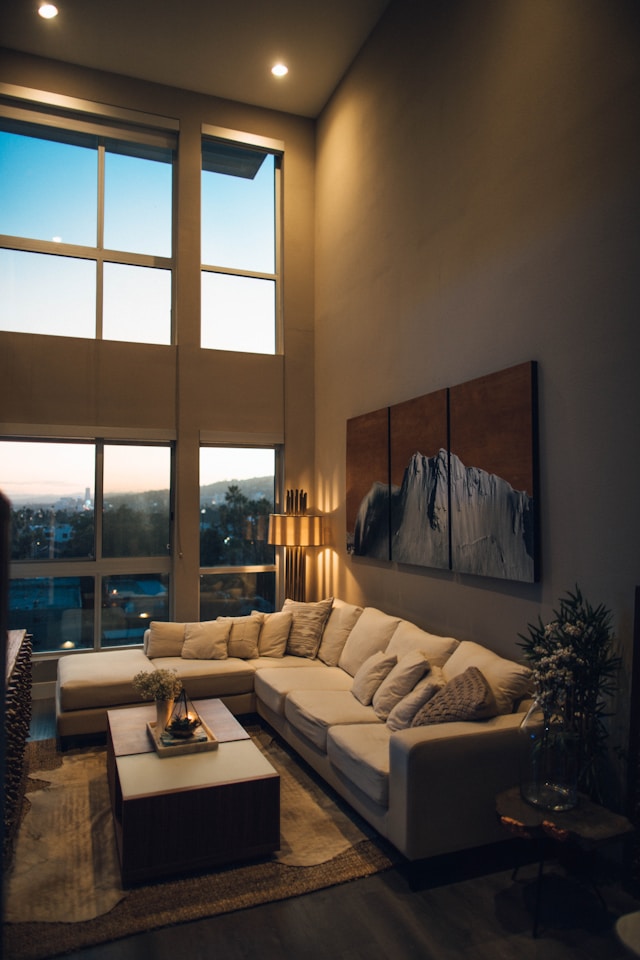
Design-only or design-and-build
The next choice is the service model. Some designers work design-only, producing the concept and drawings and leaving you to engage a contractor separately. Others offer design-and-build, a turnkey service that takes the project from concept through to a finished, handed-over flat with the construction managed under one roof.
Each has trade-offs. Design-only gives you more control and lets you tender the building work competitively, but you carry the coordination and the risk of things falling between designer and contractor. Design-and-build is far more convenient and gives you a single point of responsibility, which is why many busy Hong Kong owners prefer it, but you are trusting one firm with both the creativity and the construction, so their reliability matters enormously. For a first renovation, the simplicity of turnkey is appealing; for owners who want to manage the process and the budget closely, design-only can deliver more for the money.
How designers charge
Pricing in this industry is not standard, and understanding the models prevents nasty surprises. Designers typically charge in one of a few ways: a fixed design fee, a percentage of the total project cost, or, in a design-and-build arrangement, a single price covering both design and construction. Each is legitimate, but each creates different incentives, and a percentage fee in particular means the designer earns more as your budget grows, so you want clarity on how decisions affect the total.
What matters most is knowing exactly what is included. Ask whether the fee covers detailed drawings, site visits and project supervision, or only the initial concept; whether furniture and appliances are inside the budget or extra; and how variations are priced once work begins. Most disputes come not from the headline number but from the gap between what the owner assumed and what the quote actually covered, so get the scope and the payment schedule in writing before any money changes hands.
Designing for a small Hong Kong flat
This is the heart of the matter, because a small apartment rewards a particular kind of thinking. The best small-space designers treat storage as the first priority, not an afterthought: full-height built-in joinery, concealed cabinets, storage beneath beds and benches, and clever use of awkward corners that off-the-shelf furniture cannot reach. The aim is to give everything a home so the surfaces stay clear, because clutter is what makes a small flat feel smaller.
The other moves are about perception. Multifunctional and convertible furniture lets one room serve several purposes, a study that becomes a guest room, a dining table that folds away, so the flat lives bigger than its floor area. Light, both natural and well-planned artificial lighting, makes a space feel open, and mirrors, pale palettes and continuous flooring stretch it further. Scale matters too: furniture chosen to fit the room rather than fill it keeps everything in proportion. A designer with a real portfolio of small Hong Kong flats will have these instincts; one who mostly does large homes may not. When you are furnishing, the home and furniture listings are useful for finding pieces sized for compact living, and a galley or open kitchen often needs its own specialist, which is where kitchen and bathroom firms come in; our roundup of kitchen design companies in Hong Kong is a useful starting point.
Working with your building
Renovating in Hong Kong means working within rules that catch first-timers out, and a good designer or contractor will steer you through them. Most buildings require you to seek approval from the management office or owners' corporation before work starts, and there are usually restrictions on working hours and noise, along with a renovation deposit held against any damage to common areas. Plan for the paperwork and the timeline it adds.
There are harder limits too. Structural walls cannot be removed or altered, drainage and waterproofing in wet areas must be handled correctly to avoid disputes with the flat below, and certain works fall under official minor-works rules that require qualified contractors. This is a strong argument for hiring people who know the local regime, since a designer who has renovated in your type of building will anticipate the approvals and constraints rather than discovering them halfway through. If your project involves significant building work, it is worth understanding who is doing it and how they are qualified, and the construction listings can help you check.
How to vet a designer
A short, disciplined selection process prevents most regrets. Before you commit, work through the essentials.
- Look for a portfolio of small spaces, ideally flats similar in size and age to yours, rather than only large or showpiece projects.
- Ask for references from recent clients and, if you can, see a finished flat or speak to an owner about how the process actually went.
- Get the scope, the drawings included, the supervision and the payment schedule in writing, and be wary of large upfront payments out of step with progress.
- Clarify how variations and overruns are handled, since small projects are where budgets quietly creep.
- Check who manages the contractor and the site, and how problems and defects are dealt with after handover.
- Make sure you communicate easily with them, because a renovation is weeks of decisions and you want someone responsive and clear.
Ten minutes of due diligence per candidate tells you more than any glossy mood board.
Timeline and what to expect
A small-flat renovation is quicker than a large one but still a real project, typically running from a few weeks to a couple of months once design is settled, plus the earlier design and approval phase. Expect the sequence of concept, detailed drawings, building approval, construction and handover, and expect to make a steady stream of decisions throughout. Building in a little buffer for the approvals and for the variations that always arise keeps the process calm rather than fraught.
One honest caveat
Good design is not cheap, and in a small flat the temptation to cut the designer and brief a contractor directly is real. Sometimes that works, but it puts the layout and storage thinking, the part that actually transforms a small space, onto someone whose job is building, not planning. Be honest, too, about living through a renovation: it is disruptive, decisions pile up, and scope creep can stretch both budget and patience. Set a realistic budget with a contingency, agree the scope clearly, and treat the designer as a partner in solving the puzzle of your space rather than a cost to minimise.
Find an interior designer that fits
There is no single best interior designer in Hong Kong, only the right fit for your flat, your budget and the way you want to work. Decide whether you need design-only or turnkey, choose someone with a genuine track record in small local spaces, get the scope and fees in writing, and make sure they know how to work within your building's rules. Get those right and a compact flat can feel calm, ordered and surprisingly spacious.
When you are ready to start, browse the interior designers in Hong Kong on Shareit, shortlist two or three with strong small-apartment portfolios, and ask each how they would approach the storage and layout of your specific flat before you choose.
To get listed on https://www.shareit.hk, please create a paid listing on https://www.advertise.hk