
Best beauty clinics in Hong Kong
Best beauty clinics in Hong Kong: from facials to skin treatments
Hong Kong takes its skincare seriously, and the city reflects that with beauty clinics on almost every block, offering everything from a relaxing facial to advanced treatments that promise to resurface, tighten and rejuvenate. The choice is enormous, which is a luxury and a problem at once, because the gap between a careful, qualified clinic and a hard-selling or unsafe one is wide, and it is not always obvious from the storefront. Choosing well here is partly about results and value, but first of all it is about safety.
This guide is for anyone navigating Hong Kong's beauty clinics, from someone wanting a good monthly facial to someone considering more serious skin treatments. Rather than ranking named clinics, it explains the single most important distinction you need to understand, what to look for in a reputable clinic, how to handle the city's notorious hard sell, and how to judge qualifications and safety. Read it before you book, because in this industry the wrong choice can cost you more than money.
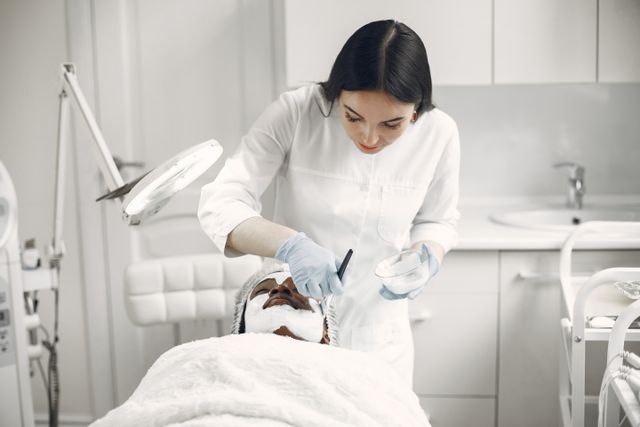
Beauty service or medical procedure? The distinction that matters most
This is the section to read even if you skip the rest. In Hong Kong, there is a real and consequential difference between a beauty service and a medical procedure, and the line is not always drawn clearly on a clinic's price list. The Department of Health's guidance on the differentiation between medical procedures and beauty services is the reference worth knowing.
Broadly, gentle, non-invasive treatments, classic facials, cleansing, exfoliation, massage and many topical treatments, are beauty services that a trained therapist can perform. But higher-risk procedures, including injectables such as fillers and botulinum toxin, and many energy-based treatments such as certain lasers and intense pulsed light, carry real medical risk and should be performed by, or under the proper supervision of, a Hong Kong-registered medical practitioner. This is not a technicality. The Consumer Council has highlighted that a large share of higher-risk aesthetic treatments have been carried out by beauticians rather than doctors, there have been serious harm cases, and the regulatory framework has been tightening, with injectable fillers recently brought under medical-device oversight and a licensing regime developing for clinics that perform such procedures. The practical rule is simple: for anything involving a needle, or a device that delivers significant energy into your skin, go to a registered doctor, not a salon.
Types of treatment and what to expect
Within the beauty-service world, the menu is broad. Facials remain the staple, ranging from basic cleansing and hydration to more involved treatments using massage, masks and mild exfoliation. Chemical peels and microdermabrasion sit a step up, working on skin texture and tone, and there is a wide range of non-invasive body and skin treatments. A reputable clinic will start with a proper consultation and a realistic assessment of your skin, recommend a sensible course rather than an instant miracle, and explain what each treatment does and does not do.
Be especially clear-eyed about results. Good skincare is incremental, and any clinic promising dramatic, permanent transformation from a single visit is selling hope rather than dermatology. The honest clinics under-promise; the ones to avoid guarantee the world.
It helps to know roughly what the common treatments do. A classic facial cleanses, exfoliates and hydrates, and suits regular upkeep. Chemical peels use controlled acids to lift dull surface skin and improve tone and texture, while microdermabrasion buffs the surface physically for similar ends. Hydrating and brightening facials target dryness and uneven tone, and gentle, non-invasive options such as LED treatments aim to calm or stimulate the skin over a course of sessions. None of these is a medical procedure in the way injectables or strong lasers are, but the more active a treatment becomes, the more the skill of the therapist and the quality of the aftercare matter.
Aftercare and realistic expectations
Good results in skincare come from what happens after a treatment as much as during it, and a clinic worth its fee will tell you so. Many treatments leave skin temporarily sensitive, and some, such as peels and more active resurfacing, can involve a few days of redness or flaking, so plan around any downtime and follow the aftercare advice you are given. Sun protection is non-negotiable after most facial treatments, because freshly treated skin burns and pigments easily, and skipping it can undo the result or cause new problems.
Expectations are the other half of the equation. Skincare is cumulative, and most treatments work over a course of sessions rather than in a single dramatic before-and-after, with maintenance needed to hold the gains. A sensible clinic sets this out honestly: how many sessions a realistic result needs, how long it lasts, and what upkeep follows. It will also resist the temptation to stack several aggressive treatments at once, since layering them raises the risk of irritation without necessarily improving the outcome. If a clinic promises a permanent transformation from one visit, or pushes you toward more and stronger treatments than your skin needs, treat that as a reason for caution rather than excitement.
What to look for in a good clinic
Several signs separate a clinic worth trusting from one to walk past. A proper consultation comes first, where someone assesses your skin, asks about allergies and history, and recommends accordingly, rather than upselling from the moment you sit down. Hygiene should be visible and uncompromising: clean rooms, fresh or sterilised tools, and single-use items where appropriate. For any treatment that could irritate, a patch test beforehand is a mark of a careful operator.
Equally telling is how a treatment is explained. A good clinic tells you what it will do, what it will not, the likely number of sessions, and the possible side effects, and lets you decide without pressure. Browsing the beauty and health listings is a sensible way to find clinics and read what others say, and for treatments that edge toward the medical, the health services listings point you toward properly qualified providers.
The hard sell, prepaid packages and how to avoid traps
Hong Kong's beauty industry has a well-earned reputation for aggressive selling, and it is worth going in prepared. The classic pattern is the prepaid package: a large upfront payment for a bundle of sessions at an apparently big discount, pushed hard during your visit. Sometimes these are good value, but they also tie up your money, lock you into one clinic, and occasionally evaporate if the business closes, a risk the Consumer Council has warned about repeatedly.
Protect yourself with a few habits. Do not sign up to a big prepaid package on your first visit, however persuasive the offer; try a single session first and judge the clinic on that. Be wary of high-pressure tactics, time-limited deals and treatments recommended before anyone has properly assessed your skin. Read what you are signing, keep receipts and terms, and remember that a confident, reputable clinic does not need to corner you into a five-figure commitment before you have seen a result.
Qualifications and safety checks
Qualifications are where safety lives, so check them. For beauty services, look for trained, experienced therapists and a clinic that is transparent about their training. For anything in the medical-procedure category, confirm that a Hong Kong-registered doctor is performing or directly supervising the treatment, and do not accept vague reassurances; you are entitled to know who is treating you and what they are qualified to do. Ask about the equipment too, since reputable energy-based devices in trained hands are very different from bargain treatments on uncertain machines.
If something goes wrong or a clinic resists straightforward questions about qualifications, treat that as your answer and leave. The cost of a cautious approach is a little inconvenience; the cost of the alternative, in this field, can be lasting harm.
Beauty clinics by district
Geography shapes the offering. Central and Causeway Bay hold dense clusters of clinics, from premium medical-aesthetic practices to high-volume chains, with prices and polish to match. Tsim Sha Tsui across the harbour is similarly well supplied and popular. Quieter neighbourhood clinics, away from the prime retail strips, can offer a more personal service and gentler pricing for routine treatments like facials. As with much in Hong Kong, the most convenient clinic is the one you will actually keep visiting for regular upkeep, so for routine care a good local option often beats a famous name across town, while for a one-off specialist procedure it is worth travelling to the right, qualified provider.
How to choose: a quick checklist
- Match the provider to the treatment: a beauty therapist for facials and non-invasive care, a registered doctor for injectables, lasers and anything higher-risk.
- Insist on a proper consultation and a patch test where relevant, and walk away from instant hard sells.
- Check hygiene, qualifications and who exactly will perform the treatment.
- Avoid large prepaid packages until you have tried the clinic once and are satisfied.
- Be sceptical of dramatic promises; good results are gradual.
- Read reviews and terms, and keep your receipts.
Questions to ask before you book
A few direct questions at the consultation tell you most of what you need to know about a clinic.
- Who exactly will perform the treatment, and what are their qualifications? For anything involving needles or energy devices, confirm a Hong Kong-registered doctor is responsible.
- Is this classed as a beauty service or a medical procedure, and what are the risks and possible side effects?
- How many sessions will a realistic result take, and how long will it last?
- What is the total cost, including any add-ons, and is there pressure to buy a package today?
- What aftercare is involved, and is there any downtime?
- What happens if something goes wrong, and who is responsible for putting it right?
- Can I start with a single session rather than committing to a course?
If the answers are vague, evasive or rushed, or if the clinic seems more interested in closing a sale than in assessing your skin, that is your answer. A reputable clinic welcomes these questions and answers them plainly, because transparency is part of what you are paying for. Write the answers down if you are comparing several clinics, since the details blur quickly once you have visited a few.
One honest caveat
Beauty treatments are personal, and results vary from person to person, so even a good clinic cannot guarantee a particular outcome. The two real risks to manage are safety and money: the safety risk concentrated in medical procedures done by unqualified hands, and the financial risk concentrated in large prepaid packages. Keep both in view, prioritise qualifications over price and convenience for anything invasive, and you remove most of what goes wrong. For specific medical or skin conditions, see a doctor or dermatologist rather than relying on a beauty clinic.
Find a beauty clinic that fits
There is no single best beauty clinic in Hong Kong, only the right and safe choice for the treatment you want. Understand whether what you are booking is a beauty service or a medical procedure, choose a provider qualified for it, resist the hard sell, and judge a clinic on a single visit before committing. Get that right and you can enjoy everything the city's skincare scene offers without the horror stories.
When you are ready, browse the beauty and health listings on Shareit to find clinics across Hong Kong, shortlist a couple near you, and book a single treatment or consultation first. If you are building a broader self-care routine, the city's yoga studios and wellness providers pair naturally with good skincare.
To get listed on https://www.shareit.hk, please create a paid listing on https://www.advertise.hk